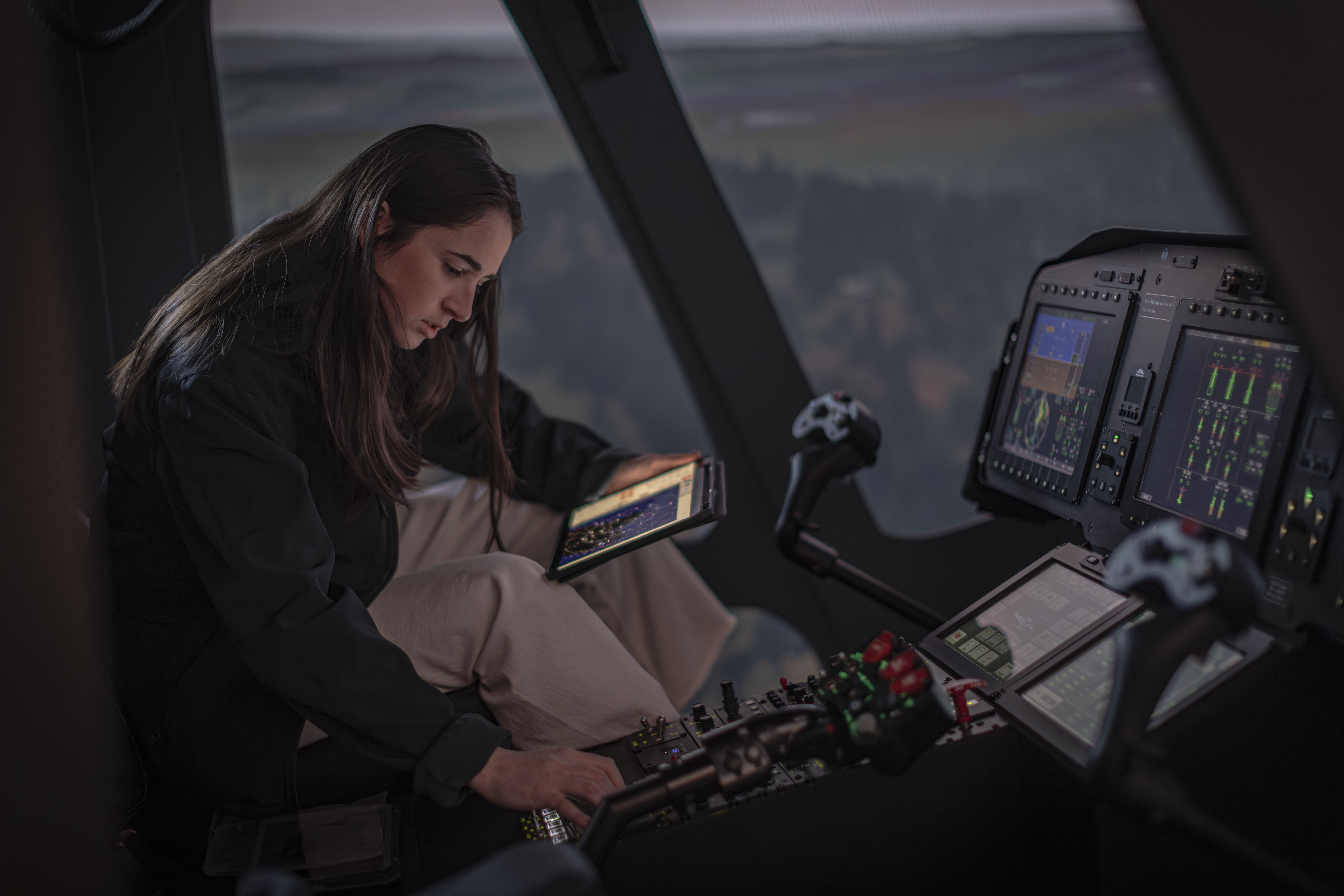
In the flight simulation industry, a simulator is only as valuable as its availability. For a training center, downtime is not just a technical issue; it is a direct loss of revenue and a disruption to pilot training schedules. Therefore, flight simulator maintenance must be approached as a proactive discipline rather than a reactive necessity.
Effective maintenance ensures that the device remains a reliable asset throughout its entire simulator hardware life-cycle. Below, we outline the best practices to maintain high uptime and operational excellence.
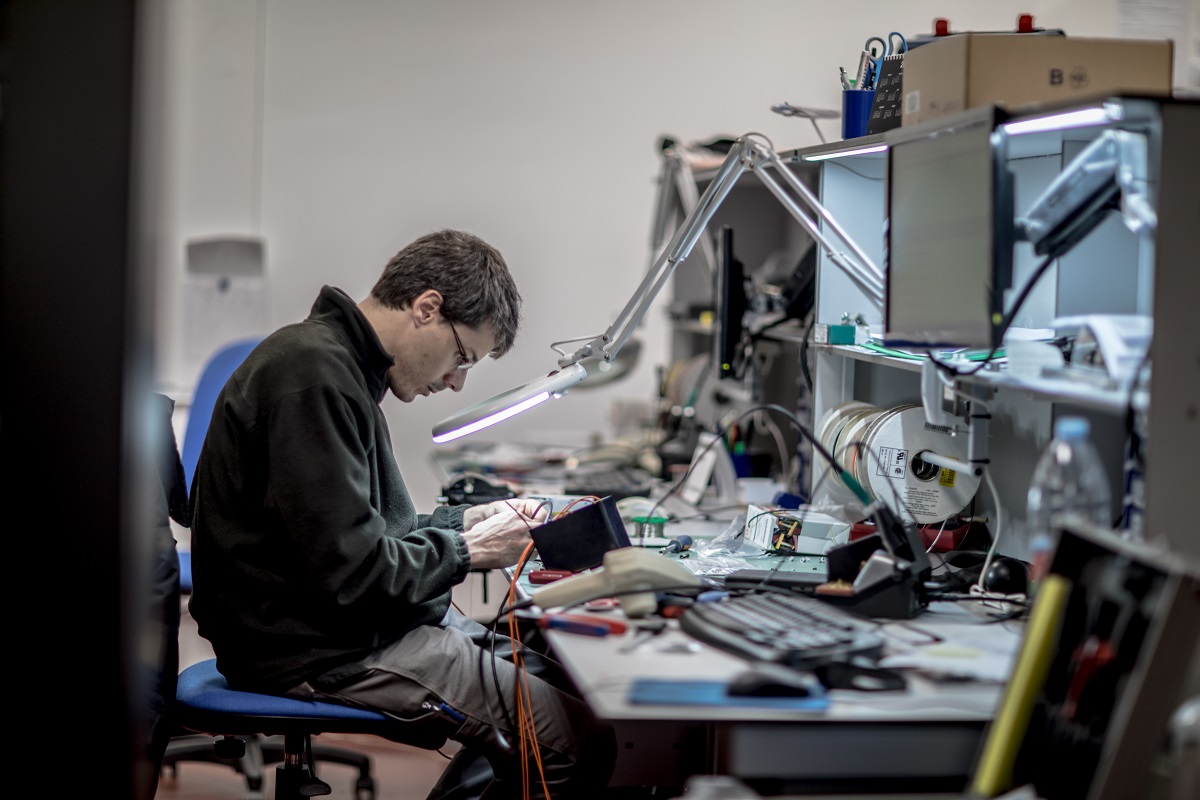
Integrated support across the simulator life cycle
A common mistake is thinking maintenance begins only after the simulator is operational. In reality, the foundation for reliability is laid during the installation phase.
Technical autonomy and initial training
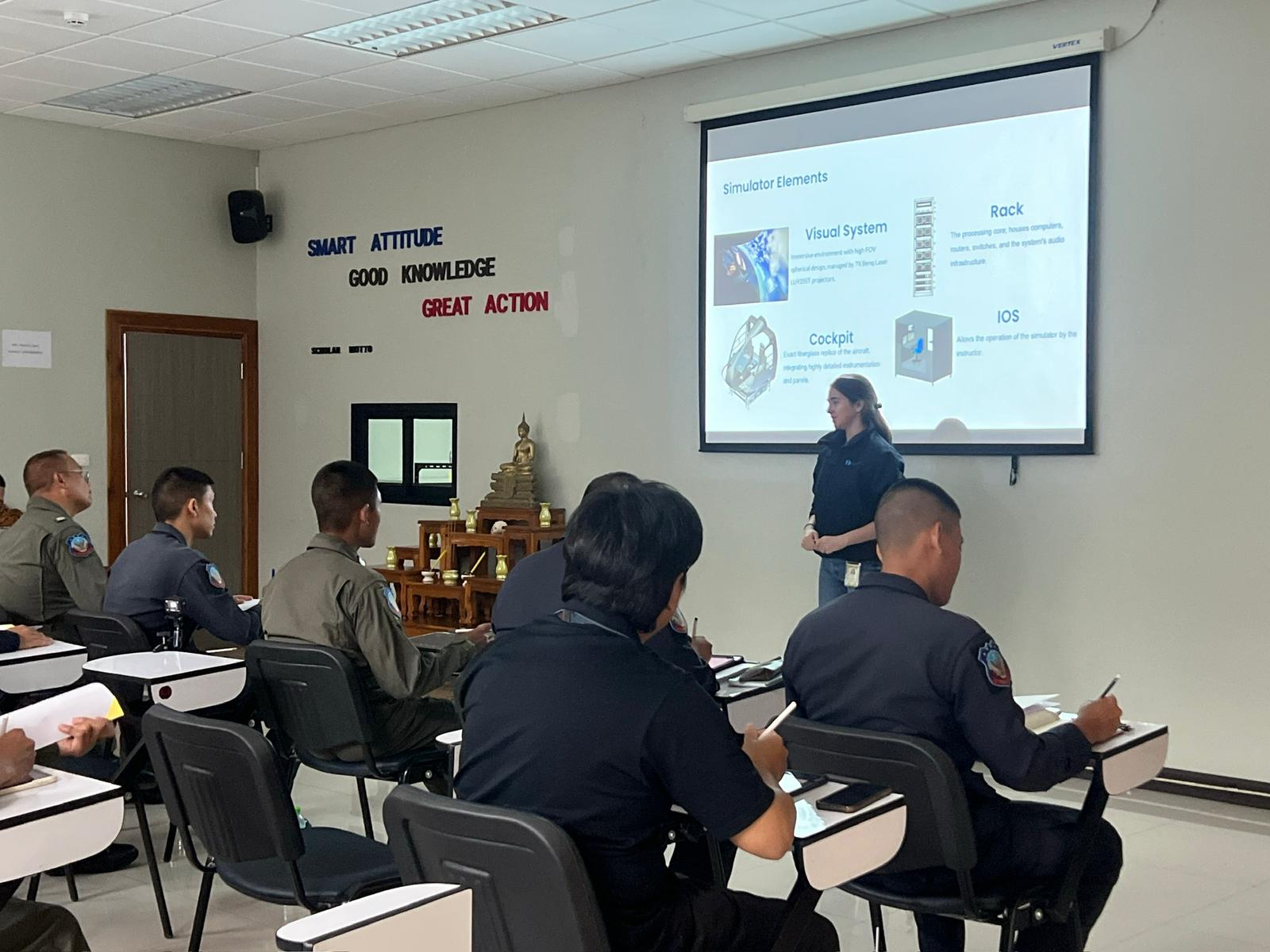
At entrol, our support begins with a comprehensive handover process. We involve the operator’s technical team from the start, providing specialized training for the Installation Manager and technicians. This training focuses on:
- Daily startup/shutdown protocols to prevent system fatigue.
- Initial calibration and sensor adjustment.
- Total autonomy: we empower our clients to handle common maintenance tasks independently, reducing dependency on the manufacturer and minimizing wait times.
Regulatory compliance and systematic testing (QTG)
A simulator that is not certified is a simulator that cannot be used. Maintenance is inextricably linked to regulatory status (EASA/FAA).
- Qualification Test Guide (QTG): regular testing is mandatory to prove the flight model still matches real aircraft performance.
- Preventive Checklists: we implement systematic reviews every 3, 6, and 12 months. These checks go beyond surface-level cleaning, involving deep diagnostics of the visual projection alignment and motion platform integrity.
Efficient FSTD tech support and remote diagnosis
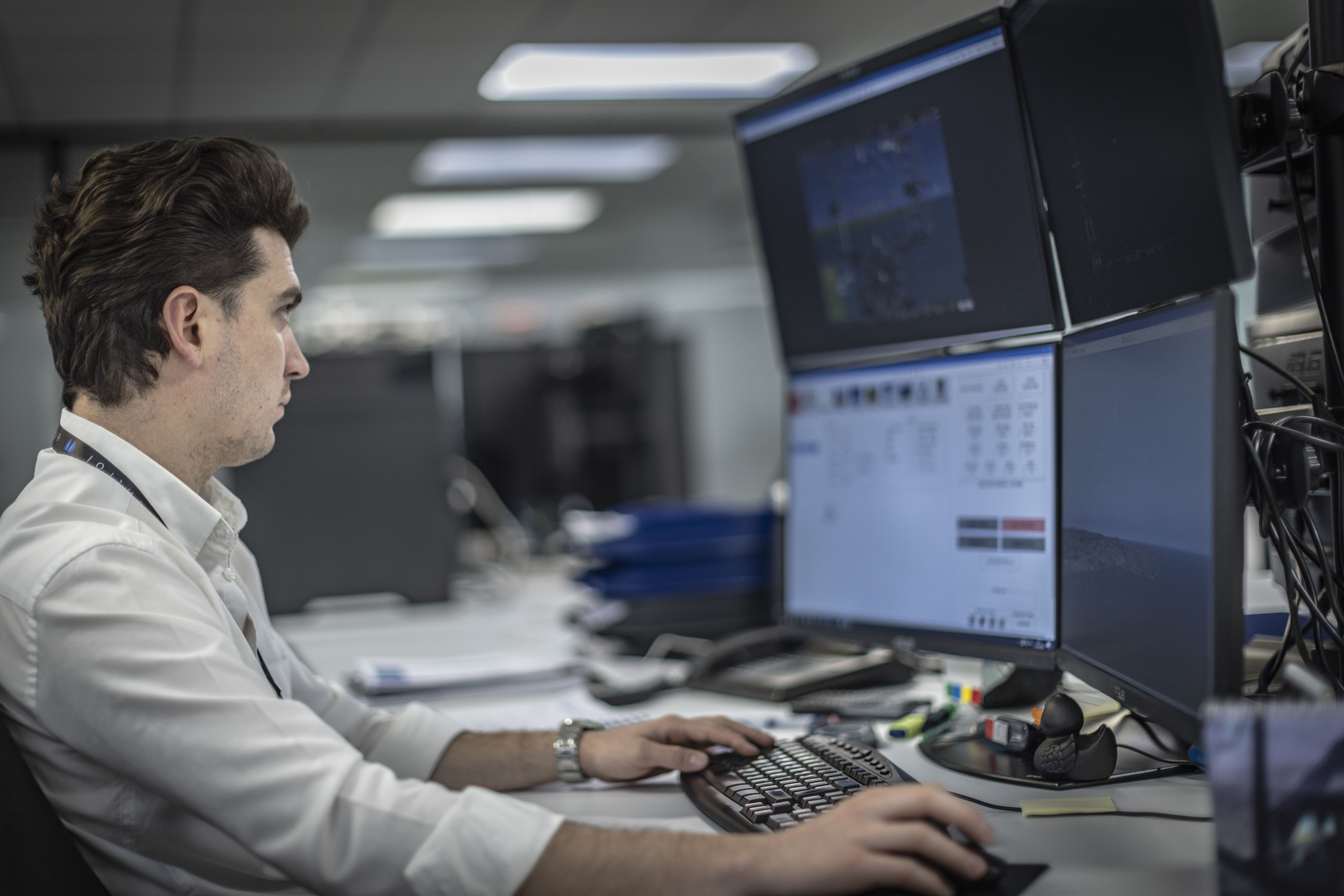
Modern simulation requires agile technical solutions. Empowering operators with efficient diagnostic capabilities, supported by our remote tools and a smart hardware philosophy, is what ensures a center remains operational 24/7.
Secure remote support for software and NavDB updates
When an issue arises, time is of the essence. Through secure FSTD tech support channels, entrol engineers can access the simulator’s software remotely. This allows for:
- Real-time software corrections: immediate troubleshooting and bug fixing.
- Navigation Database (NavDB) updates: ensuring the training environment reflects current AIP charts.
The strategic advantage of COTS components in after-sales
A significant part of our entrol after-sales success is based on the use of COTS (Commercial Off-The-Shelf) components. Unlike proprietary hardware that can become obsolete, COTS parts offer:
- Lower long-term costs: Standardized parts are more affordable to replace.
- Local availability: If a standard PC component fails, it can often be sourced locally, avoiding international shipping delays.
- Sustainability: Extending the hardware life-cycle through easily swappable, modern components.
To explore how our technical team supports these systems, visit our support section.
Future-proofing: preventive maintenance and long-term evolution
A simulator should not just stay operational; it should stay current. Long-term maintenance also means adapting to a changing industry.
Reducing downtime through specialized technician training
We don’t just fix machines; we train people. Continuous training for maintenance staff ensures they stay updated on new software versions and hardware refinements. This “human-centered” maintenance ensures that every flight control feels exactly as it should, maintaining high-fidelity training standards.
Scalable maintenance solutions for diverse operators
We understand that every operator has different needs. Our maintenance model is flexible:
- Full Autonomy: For operators with large technical departments, entrol provides high-level support and specialized spare parts.
- Optional Maintenance Services: For those who prefer to focus purely on training, we offer comprehensive service packages where we take full responsibility for the device’s health.
Ultimately, a well-maintained FSTD is more than just a piece of technology; it is a guarantee of safety and training quality. By focusing on preventive care, flight schools can ensure their investment remains profitable for decades.