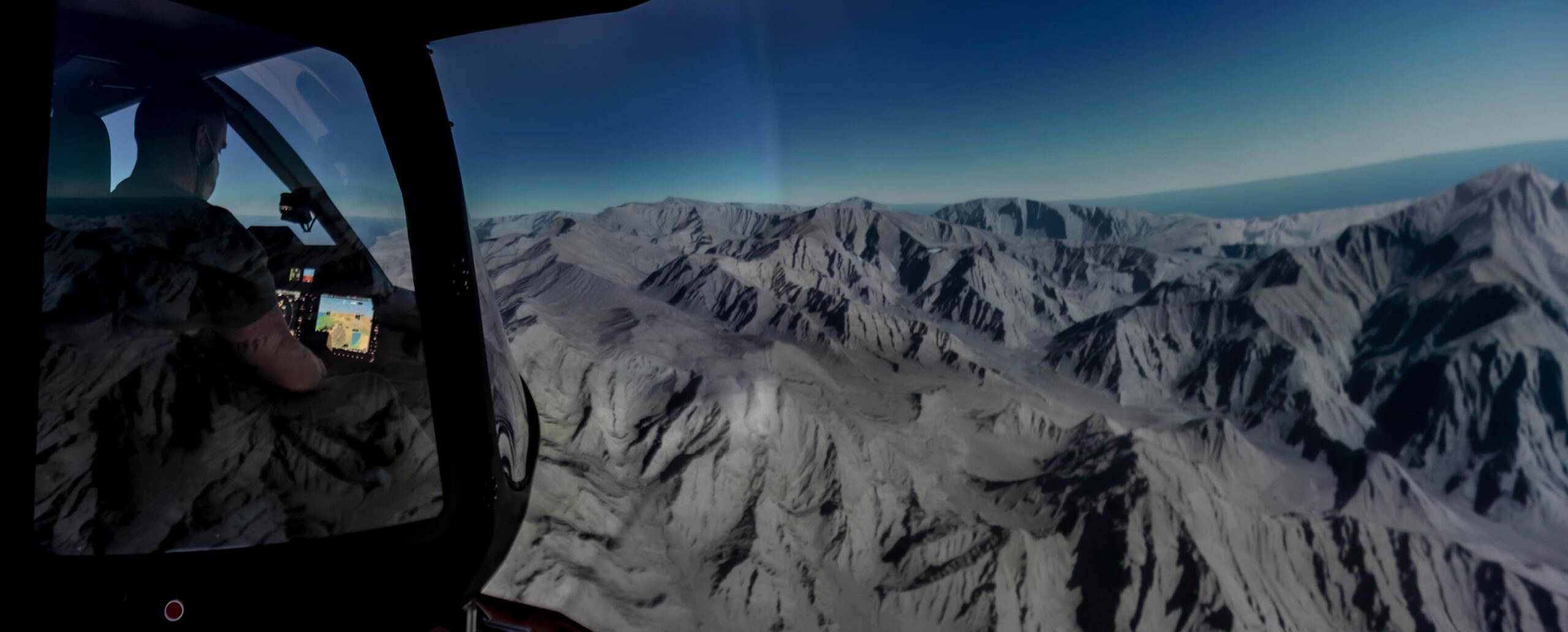
Flight simulation is evolving as training requirements become increasingly specific. Modern operators do not only need to train pilots to fly an aircraft; they also need to prepare crews for the particular procedures, operations and missions they perform.
To support this evolution, EASA has introduced a new capability-based approach to Flight Simulation Training Devices (FSTDs). At the centre of this new framework is the FSTD Capability Signature (FCS), which provides a more detailed description of the capabilities and fidelity levels of a training device.
This approach is particularly relevant to Mission-specific flight training, where the capabilities required from an FSTD can depend on the specific operation being trained. From firefighting and search and rescue to HEMS and law enforcement, modern simulation increasingly needs to reproduce more than the aircraft itself.
What is the FSTD Capability Signature?
Traditionally, FSTDs have been classified according to defined categories and qualification levels. The new FSTD Capability Signature introduces a more detailed, capability-based way of describing a training device.
The FCS identifies the specific capabilities of an FSTD and their corresponding fidelity levels, providing a clearer description of what the device can reproduce for training purposes.
This represents an important evolution in the way simulation devices are described and qualified, particularly as training technologies continue to develop.
From FSTD levels to capabilities
The key difference is the focus on capabilities.
Instead of looking at an FSTD only through its traditional qualification category, the new approach allows the specific capabilities of the device to be identified. This creates a closer connection between the technical characteristics of an FSTD and the training objectives for which it is used.
For operators and training organizations, this means that understanding the capabilities of a simulator becomes increasingly important when determining whether it is appropriate for a particular training task.
A framework for new simulation technologies
Flight simulation technology has evolved significantly in recent years. Visual systems, image generators and immersive technologies are expanding the type of training that can be performed in a simulator.
The new EASA framework has been designed to accommodate these developments, including technologies such as extended reality (XR). This provides a regulatory framework that can adapt to different technologies while maintaining defined requirements for FSTD qualification.
For manufacturers, this creates an opportunity to develop new training capabilities while considering how they fit within the overall FSTD framework.
FCS and Mission-specific flight training
The evolution towards a capability-based approach is particularly relevant to Mission-specific flight training.
Mission training requires pilots and crews to deal with more than aircraft procedures. The environment, the type of operation and the specific tasks performed during a mission can all influence the training requirements.
A simulator used for a firefighting operation, for example, may need to reproduce a very different environment from one used primarily for conventional procedural training.
Training beyond the cockpit
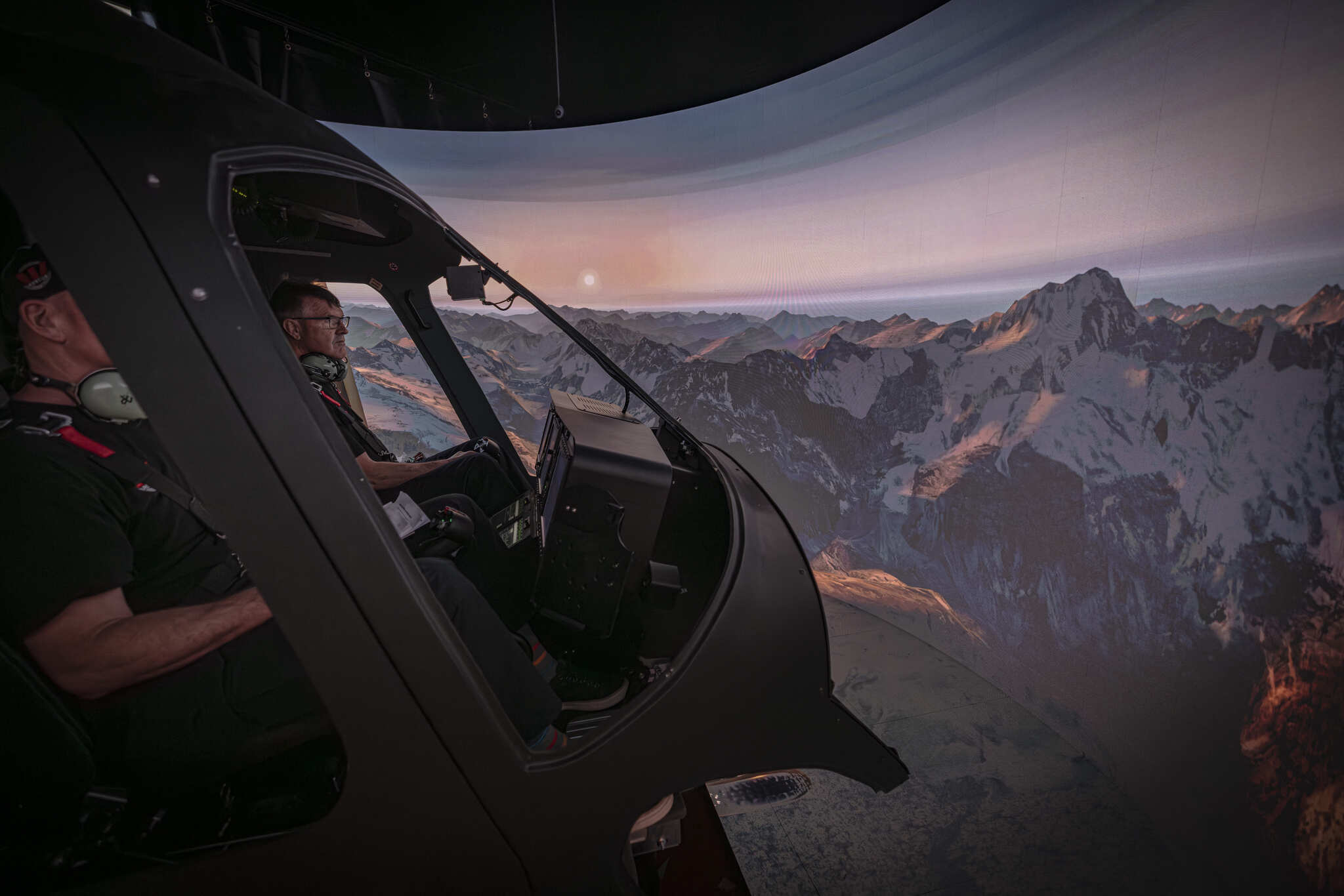
Modern mission simulation can recreate the operational environment surrounding the aircraft.
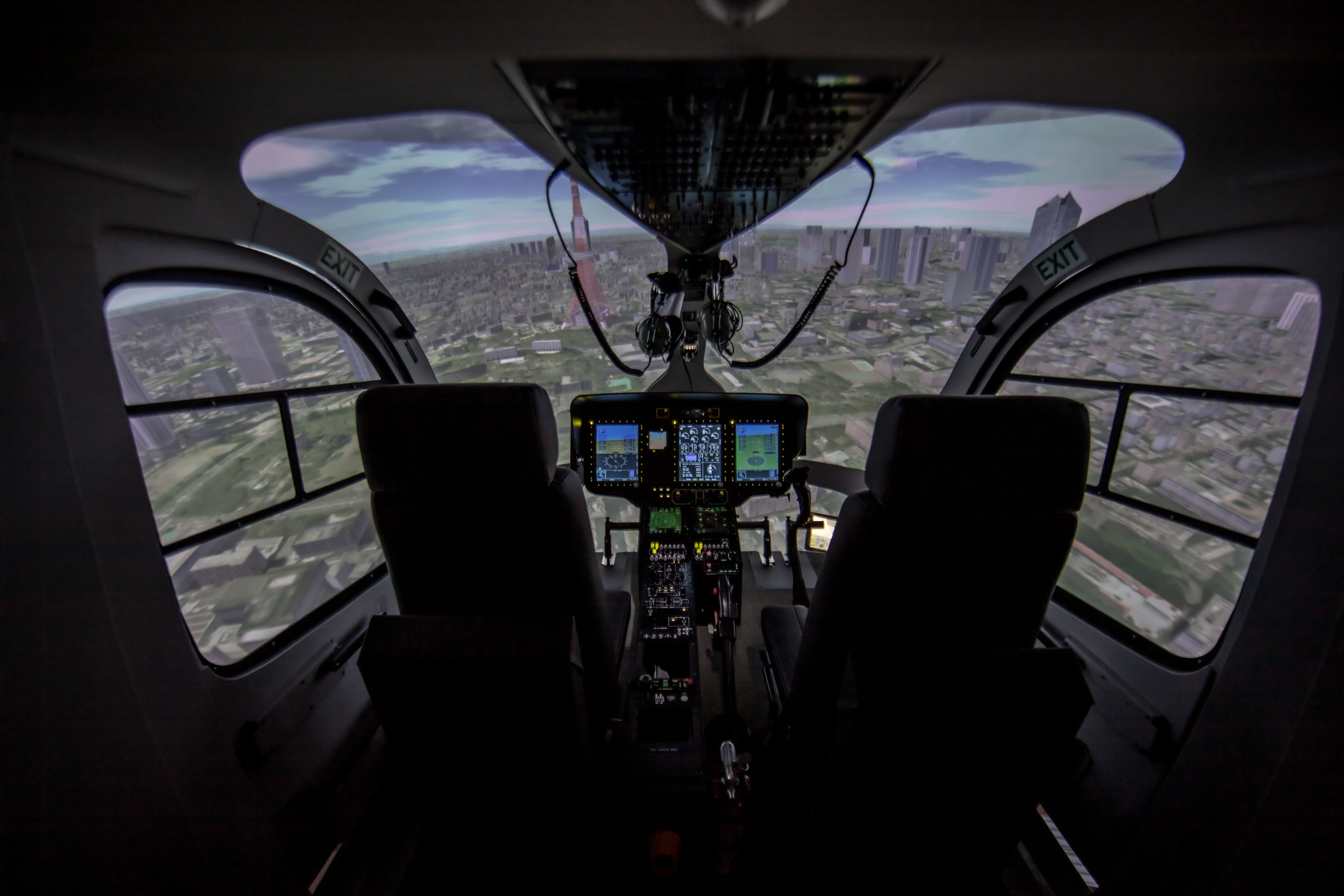
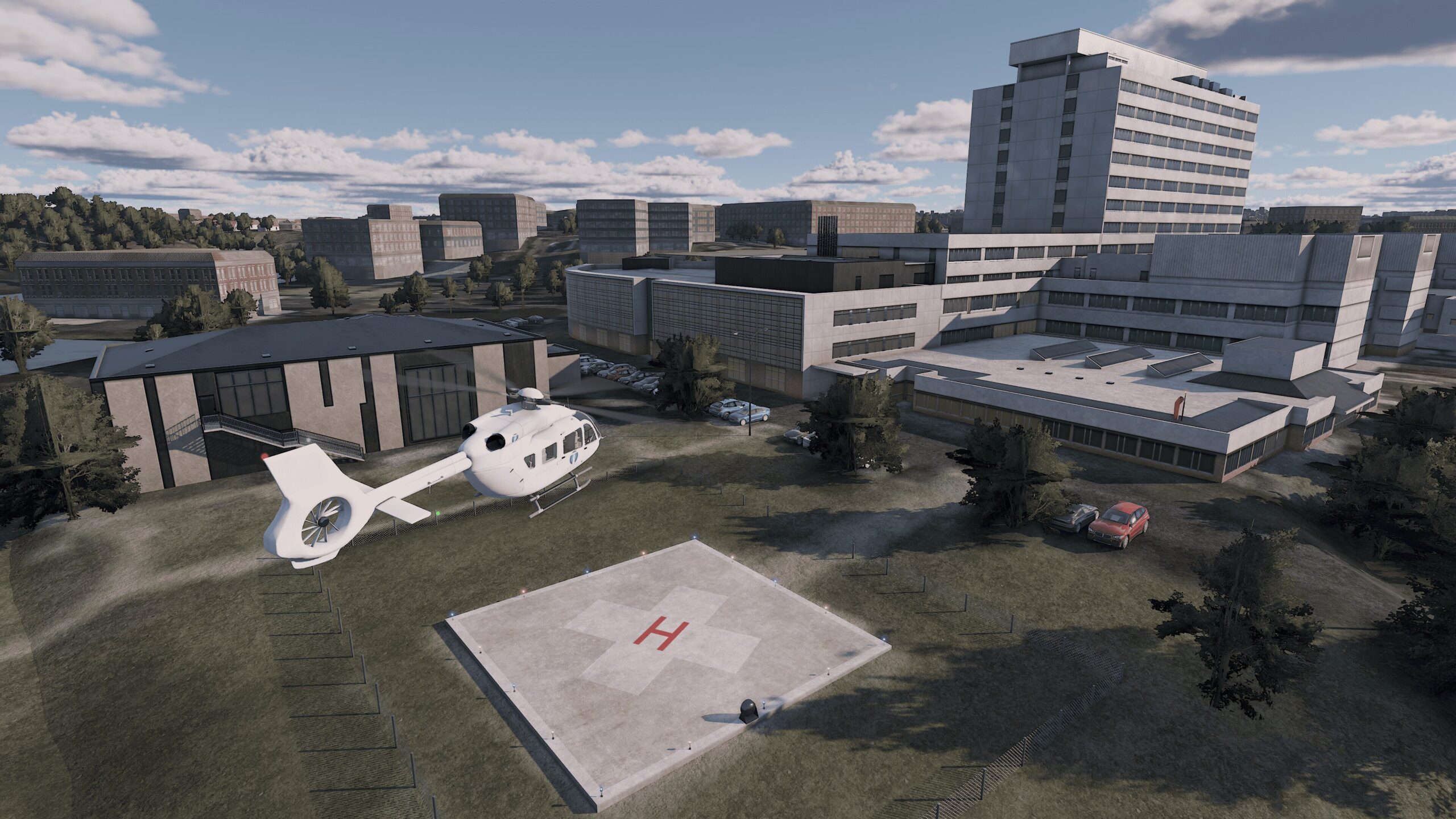
For missions such as firefighting, SAR or HEMS, this can include specific geographical areas, visual references, heliports, accident locations or other elements relevant to the operation.
Entrol’s ENVISION image generator, powered by Unreal Engine, has been developed to support this type of mission training. It can provide customised visual environments for firefighting, SAR, HEMS, law enforcement and offshore operations, including geospecific terrain, airports, heliports and specific visual references.
This allows operators to move beyond generic scenarios and train in environments that are relevant to their operational requirements.
Matching training objectives with simulator capabilities
The new capability-based approach also strengthens the relationship between the training objective and the FSTD used to achieve it.
EASA’s new framework includes a task-to-tool methodology that can be used to identify the capabilities and fidelity levels required for a specific training task and match them with an appropriate FSTD.
This approach is particularly relevant for specialised operations, where training requirements can vary significantly depending on the mission.
For operators, the objective is not simply to select a simulator with a particular classification, but to ensure that the device provides the capabilities required for the training they need to perform.
What does FCS mean for operators?
For operators, the FSTD Capability Signature provides a more detailed way of understanding the capabilities of a training device.
This is particularly relevant for organisations that operate specialised aircraft or perform missions that require specific training environments. Their requirements may go beyond the reproduction of the aircraft cockpit and include specific visual, operational or mission capabilities.
More tailored training solutions
Aircraft and missions are not always identical from one operator to another.
An operator may require a simulator configured around its own aircraft, procedures and operational environment. entrol has previously highlighted its ability to develop simulators according to the customer’s aircraft configuration and specific training requirements.
This approach becomes particularly valuable for mission training, where the geographical environment and operational scenario can be an important part of the training itself.
A capability-based framework provides a more precise way of describing the technologies and features available on the device and how they relate to specific training objectives.
The role of immersive technologies
Immersive technologies can also expand the capabilities available for mission training.
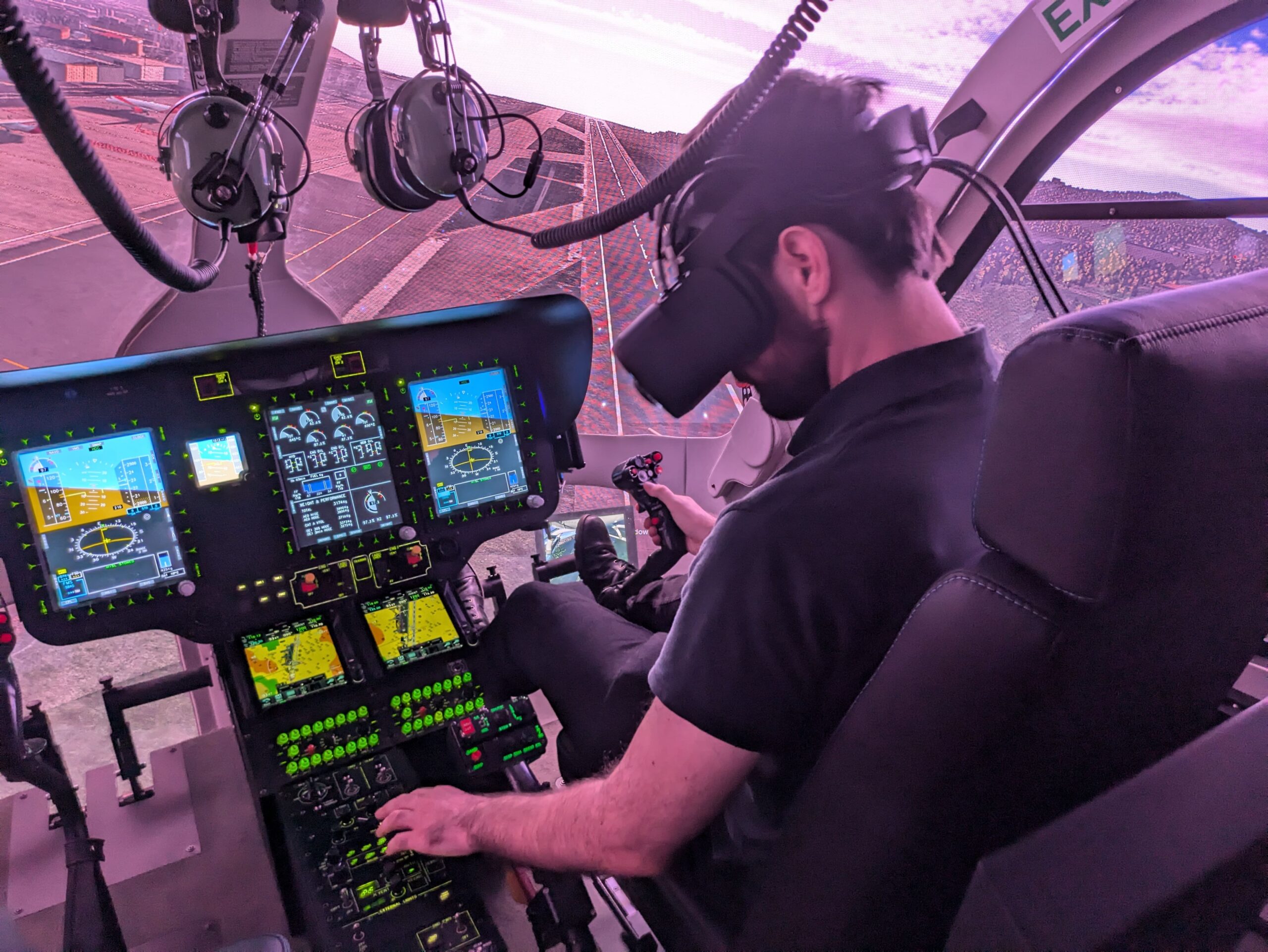
Entrol uses Mixed Reality (MR) technology to complement the simulator’s visual system. MR goggles can allow pilots to look downwards or backwards and better perceive the distance between the helicopter and the terrain.
This is particularly useful for operations such as Bambi bucket firefighting, external load operations and SAR missions, where spatial awareness is an important part of the task.
MR can also be used in mission stations where different crew members train together in the same synthetic environment. This can include hoist operators, rescue swimmers or medical personnel, allowing crews to practise communication and coordination during complex missions.
The role of these technologies illustrates why describing the capabilities of an FSTD is becoming increasingly important as simulation evolves.
The future of Mission-specific flight training
The introduction of the FSTD Capability Signature reflects a broader evolution in flight simulation: moving towards a more detailed understanding of what a training device is capable of delivering.
For Mission-specific flight training, this is particularly relevant. Operators need to prepare crews for the specific aircraft, environments and operational scenarios they encounter in real life. Simulation therefore needs to provide the appropriate combination of aircraft fidelity, visual capabilities and mission-specific features.
The new FCS approach provides a framework for describing these capabilities and connecting them with specific training requirements.
At entrol, our simulation solutions combine certified FSTD technology with customised aircraft configurations, advanced visual systems and mission capabilities. From firefighting and SAR to HEMS, law enforcement and offshore operations, our solutions are designed to support the specific training requirements of operators.
As flight simulation continues to evolve, the focus is increasingly moving from simply asking what type of simulator is being used to understanding what the simulator is capable of training.