Investing in a flight simulator is a long-term decision. Its lifespan depends on factors such as maintenance, frequency of use, and the ability to upgrade its technology.
But how does the lifespan of a high-fidelity Flight Training Device (FTD) compare with that of a Full Flight Simulator (FFS)?
What determines the lifespan of a Flight Simulator?
The lifespan of an FSTD varies depending on factors such as use, maintenance, component availability, and its ability to incorporate new technologies. Therefore, FSTD lifespan is not only about how long a simulator operates, but also its maintainability, upgradeability, and continued training value.
Therefore, simulator lifespan is not simply about how many years a device remains operational. Its long-term value also depends on its maintainability, upgradeability and ability to continue meeting the operator’s training requirements.
Physical durability and technological obsolescence
The physical components of a simulator can remain operational for many years when they are properly maintained. However, technology evolves much faster than the basic mechanical structure of a training device.
Visual systems, computers, displays, avionics interfaces, and software can become outdated before the simulator itself reaches the end of its physical life. This makes the ability to replace or upgrade individual components an important factor when evaluating the long-term value of a simulator.
Maintenance and operational use
The frequency with which a simulator is used also affects its lifecycle. Devices operating for many hours every day require consistent preventive maintenance and replacement of components subject to wear.
Both FTD simulators and Full Flight Simulators require maintenance to preserve their performance and training capabilities. However, FFSs generally involve additional mechanical systems, particularly their motion platforms, which can add complexity to long-term maintenance.
This is also relevant when considering the return on the initial investment. Because an FFS requires a significantly higher initial investment and involves more complex systems to maintain, it needs a high level of utilisation over a longer period to recover that investment. For operators, maintenance requirements, simulator availability and the number of training hours that can be performed therefore play an important role in determining the overall return on investment.
High-Fidelity FTDs vs Full Flight Simulators
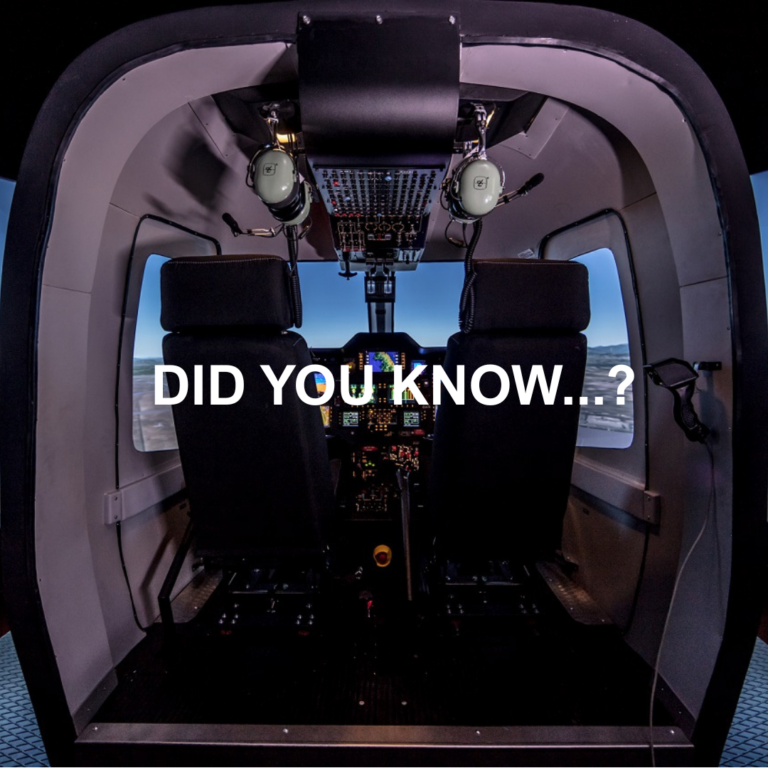
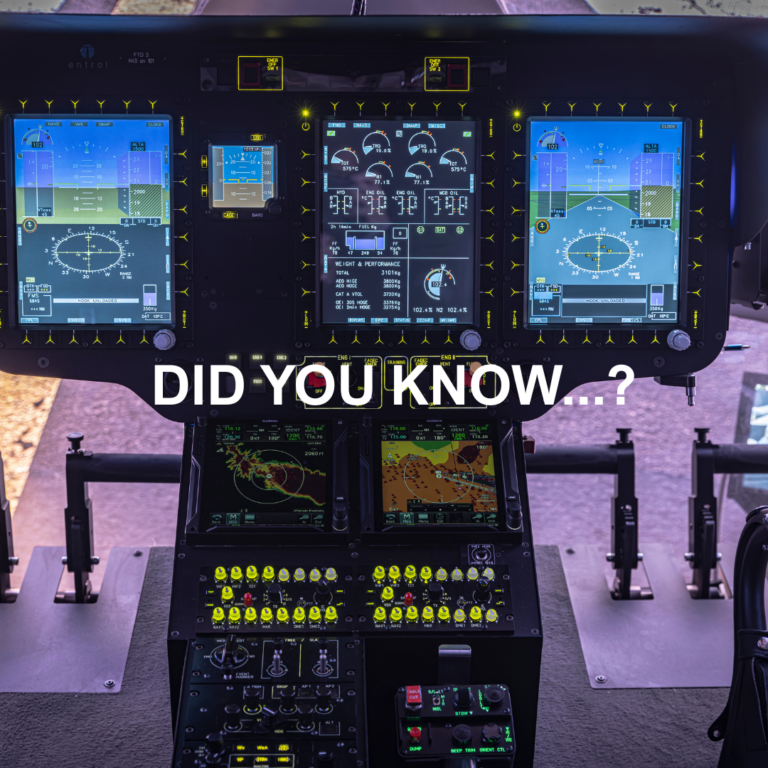
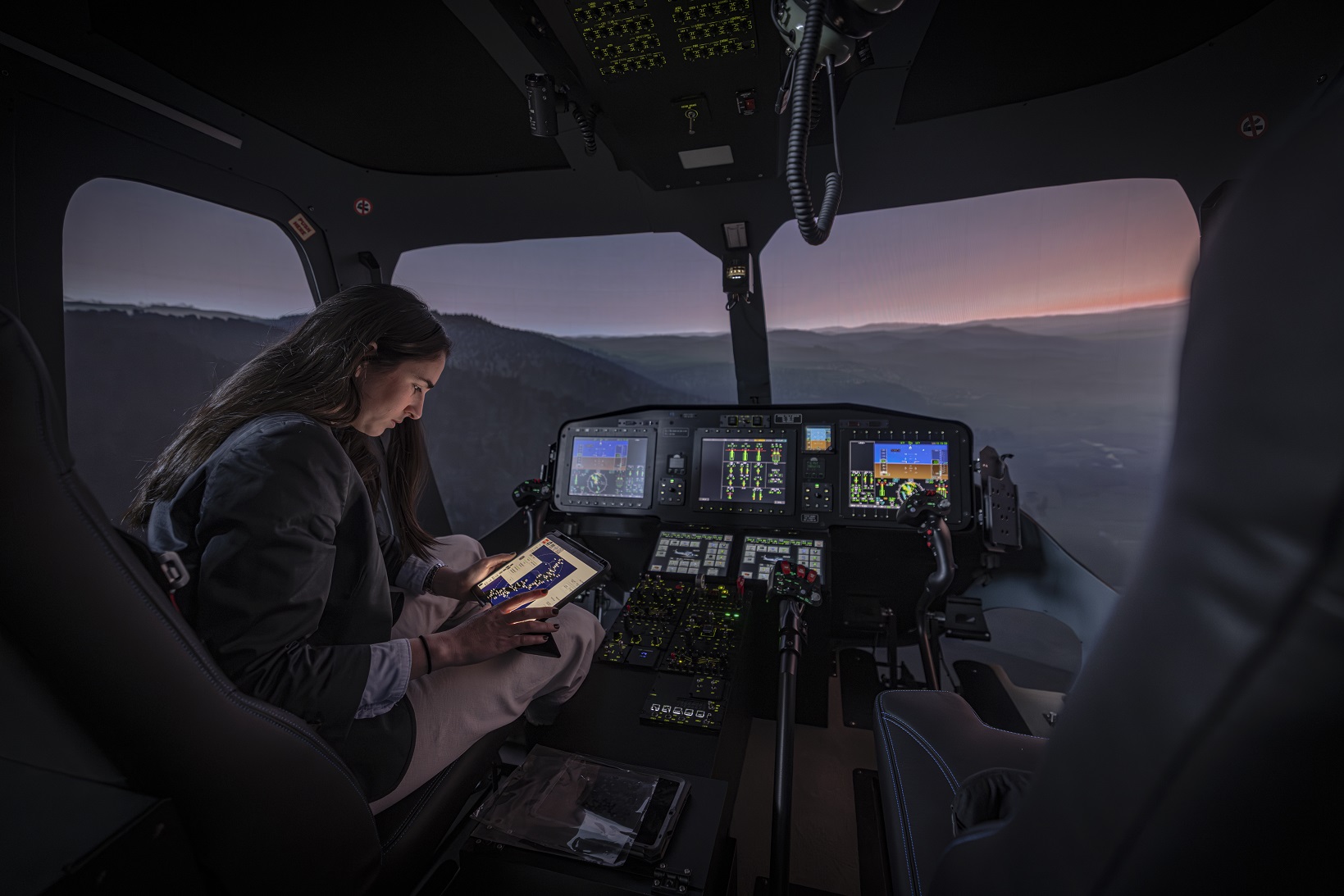
A Flight Training Device (FTD) replicates key aircraft elements such as the cockpit, systems, controls, and flight characteristics. Higher-level FTDs can provide detailed, representative training without a full motion platform.
In contrast, Full Flight Simulators (FFSs) include a motion system, making them more complex and suitable for training such as type ratings and recurrent training.
Fixed-Base does not mean low fidelity
A fixed-base FTD can still deliver highly immersive, high-fidelity training through aircraft-specific cockpits, advanced visuals, control loading, sound, vibration, and immersive technologies.
Therefore, FTDs and FFSs should be compared based on their capabilities and training objectives, rather than simply on whether they include motion.
Choosing the right simulator for the training task
The choice between a high-fidelity FTD and a Full Flight Simulator should be based on the training objectives and regulatory requirements applicable to the operator.
An FTD can be particularly relevant when the training programme requires a high degree of aircraft-specific fidelity but does not require a full-motion platform. An FFS, meanwhile, can provide the combination of aircraft fidelity and motion required for more demanding training scenarios.
The appropriate solution therefore depends on what the operator needs the simulator to train, rather than on the level of technology alone.
Upgradeability: extending the useful life of a simulator
Simulation technology evolves rapidly. For this reason, replacing an entire simulator whenever a new technology becomes available is not always the most efficient option.
The ability to upgrade individual components can significantly extend the useful life of an FSTD. Visual systems, image-generation computers, displays, avionics systems, or specific cockpit components can be upgraded as training requirements evolve.
Updating visual and simulation technologies
Visual technology is one of the areas where developments can have a significant impact on the simulator experience.
Upgrading image-generation systems, displays, LED visual systems, or other visual technologies can improve the training environment without requiring the replacement of the complete simulator.
This approach allows operators to benefit from new technologies while continuing to use the existing aircraft-specific configuration.
Keeping Aircraft-Specific configurations current
Aircraft also evolve. Avionics systems, cockpit configurations, and installed equipment can change throughout an aircraft’s operational life.
For this reason, the value of an FTD is closely linked to its ability to accurately represent the aircraft used in real operations.
A simulator that can adapt to the specific configurations of a fleet is more likely to remain relevant as an operator’s training requirements change. This is particularly important for helicopter fleets and specialised operations, where aircraft configuration and mission profiles can vary considerably.
Technology independence and long-term support
Another factor to consider when evaluating the lifespan of a simulator is how much control the manufacturer has over the technologies integrated into the system.
Flight simulators combine multiple technologies, including visual systems, image generators, computers, avionics interfaces, software and control-loading systems. Over a simulator’s operational life, these technologies can evolve, suppliers can change their products or discontinue components, and regulatory requirements can also change.
When key technologies depend on external suppliers, these changes can make it more difficult to maintain or upgrade a simulator over time. A change in a component, supplier or regulatory requirement may require adaptations to the system to ensure that it remains operational and compliant.
Developing key technologies in-house can provide greater control over the evolution of the simulator. At entrol, several core technologies are developed internally. This gives entrol greater flexibility to develop new functionalities, adapt the system to customer requirements and continue evolving the simulator as technology and training needs change.
For operators making a long-term investment, this level of technological control can be an important consideration when evaluating the future maintainability and upgradeability of an FSTD.
FTD or Full Flight Simulator: which offers better long-term value?
Choosing between an FTD and a Full Flight Simulator depends primarily on the training programme and the objectives the device needs to fulfil.
An FFS provides a high level of fidelity and motion, while a high-fidelity FTD can offer aircraft-specific training for numerous procedures and scenarios without the complexity of a full-motion system.
Factors that determine long-term value
When evaluating which solution offers greater long-term value, it is important to consider several aspects beyond the simulator’s initial capabilities:
- Training requirements
- Certification level
- Aircraft fidelity
- Maintenance
- Upgradeability
- Operational use
- Total cost over its lifespan
Considering these factors together makes it possible to assess not only which device provides the required capabilities at the time of acquisition, but also which solution can remain useful and relevant as training requirements evolve.
Choosing the right device for each operation
Not all operators have the same training requirements. While certain programmes may require the capabilities of a Full Flight Simulator, others may achieve their training objectives with a high-fidelity FTD.
The decision should therefore be based on the specific objectives of the training programme, the type of aircraft, certification requirements, and the intended use of the device. The ability to keep the simulator up to date and adapt it to new requirements is also a key factor in maximising its value throughout its useful life.
Choosing an FSTD for long-term value
The lifespan of a flight simulator depends on more than its physical durability. Maintenance, upgradeability, aircraft-specific fidelity, and the ability to adapt to evolving training requirements all play an important role in its long-term value.
High-fidelity FTDs and Full Flight Simulators serve different training needs, with full motion simulators offering advanced motion capabilities and FTDs providing a flexible and highly representative training environment. Ultimately, selecting the right flight training device means considering the training objectives, operational requirements, and the complete lifecycle of the simulator to ensure it continues to deliver value over time.