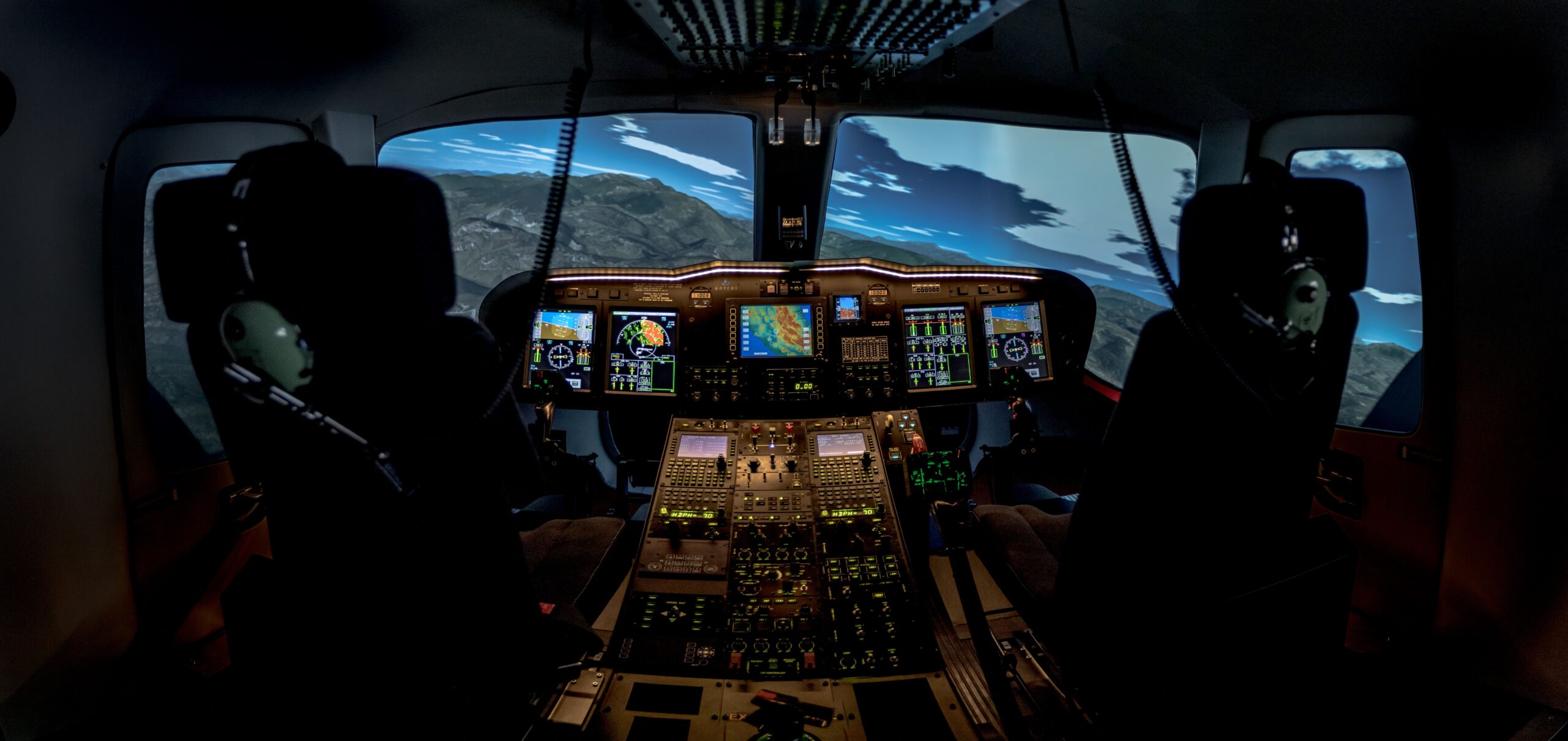
Choosing between different flight simulator manufacturers is a long-term decision for flight schools, operators and training organisations. A simulator is not simply a piece of equipment that is delivered and installed. From initial design and certification to maintenance, upgrades and future training requirements, the manufacturer can remain involved throughout the entire lifecycle of the device.
For this reason, choosing a certified flight simulator should involve more than comparing technical specifications or purchase prices. Certification experience, aircraft fidelity, customisation, technology, maintenance and long-term support all play a role in determining the value of a flight simulation training device.

What should you look for in a flight simulator manufacturer?
The right manufacturer should be able to understand the operator’s aircraft, training objectives and regulatory requirements, and translate them into a complete simulation solution.
Certification and regulatory experience
A professional simulator manufacturer should have experience developing and qualifying training devices according to the applicable aviation regulations. Depending on the intended market and training objectives, this can include EASA FSTD qualification or an FAA approved flight simulator.
Certification should therefore be considered from the beginning of the project, rather than as a final step once the simulator has already been developed.
It is also important to involve your Civil Aviation Authority (CAA) at an early stage of the project. Early discussions can help confirm that the intended certification level is appropriate for the training you want to provide and ensure that the certification approach is aligned with your training objectives from the outset.
Aircraft-specific simulation
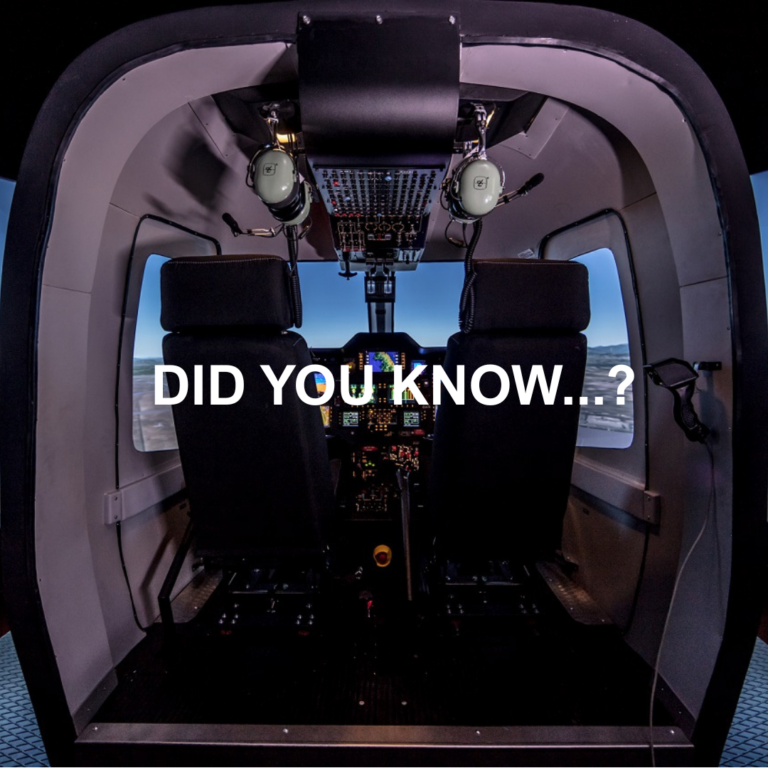
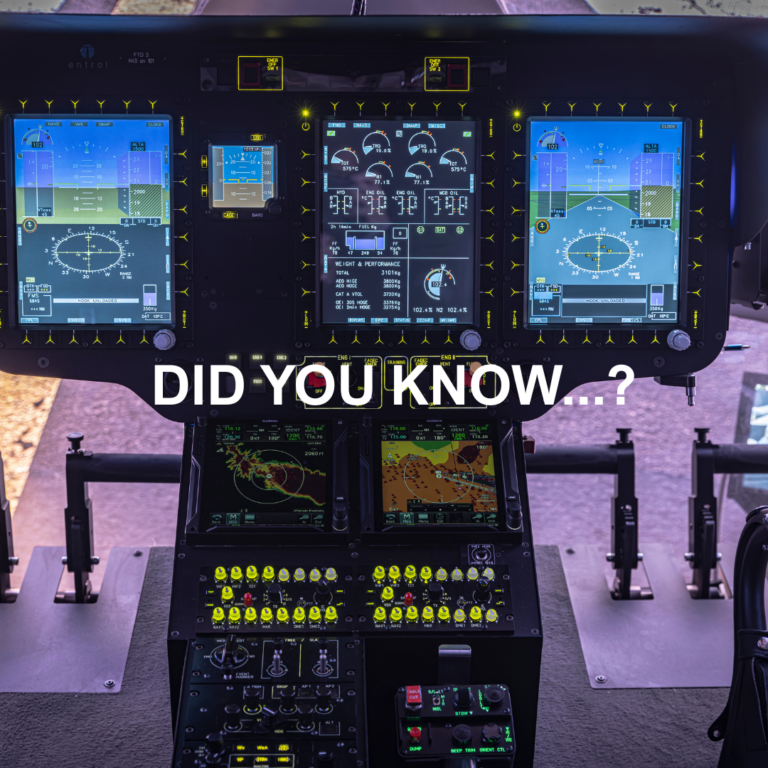
A simulator should accurately represent the aircraft it is intended to reproduce. Cockpit configuration, avionics, systems, controls and flight characteristics all contribute to creating a representative training environment.
For operators with specific aircraft configurations or mission requirements, the ability to customise the simulator is equally important. A manufacturer that develops the solution around the customer’s aircraft can provide a closer connection between simulator training and real-world operations
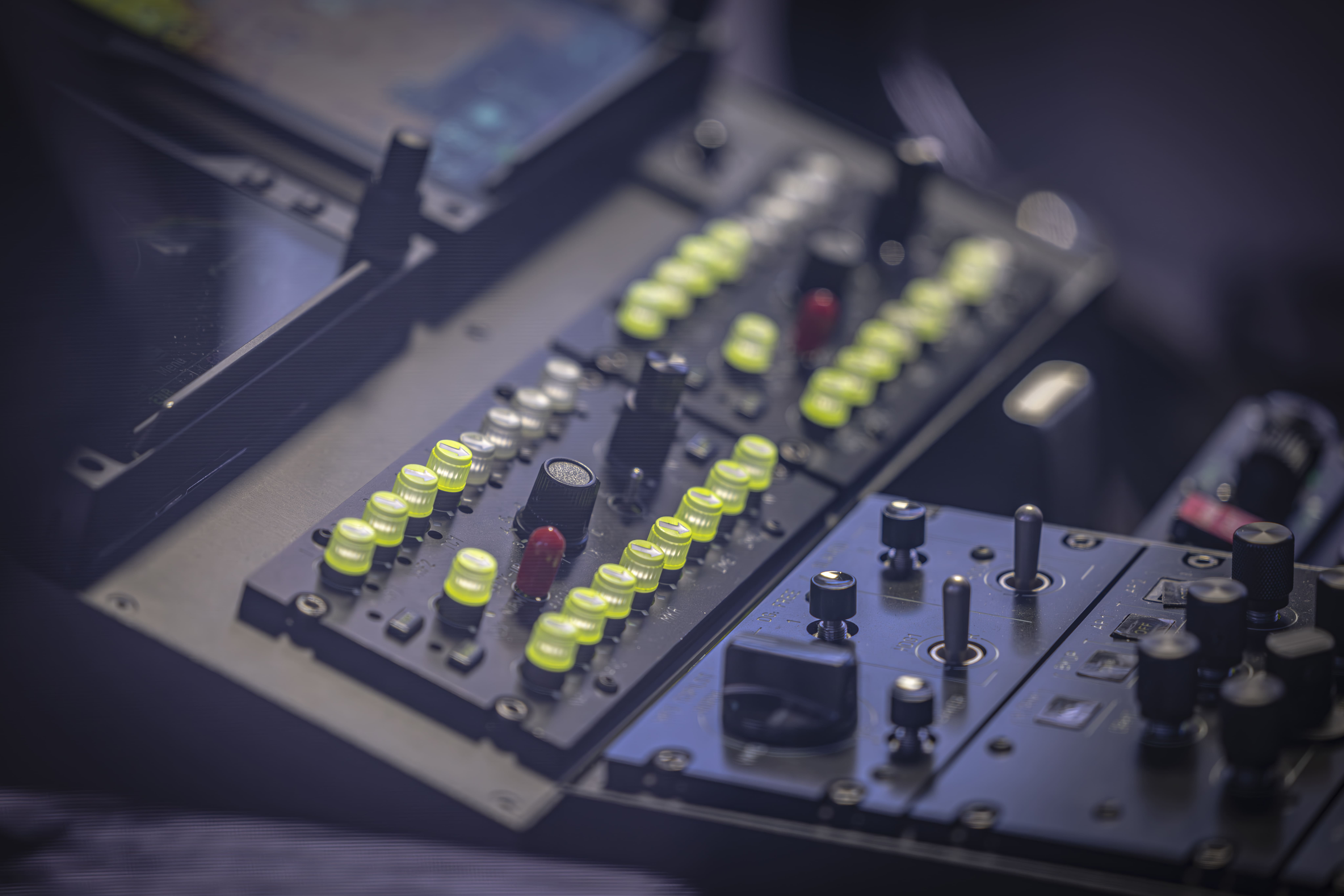
From training needs to the right simulator solution
Selecting the right simulator starts with understanding what the customer actually needs to train. At entrol, we ask customers to provide a Potential Training Needs list to help us understand their training objectives, operational requirements and the business case behind the project.
This initial assessment allows us to identify the type of training the organisation intends to provide, the operations and scenarios that need to be reproduced and the capabilities required from the simulator.
Linking training needs to Part-FCL
Once the training needs are defined, we link them to the applicable Part-FCL requirements. This helps establish how the intended training can be supported within the applicable regulatory framework and what level of simulator certification may be required.
Working through these requirements at an early stage also helps ensure that the training objectives, certification approach and simulator capabilities are aligned before the project moves forward.
Selecting the right simulator and certification level
Based on the customer’s training needs, regulatory requirements and business case, entrol works with the customer to identify the simulator model and certification level that best fit their intended training.
The objective is not simply to select a simulator with the highest level of certification or the most advanced specifications, but to find the solution that is appropriate for the organisation’s actual training requirements.
This approach allows the simulator configuration and certification level to be considered from the beginning of the project, helping customers make a more informed decision and ensuring that the final solution is aligned with their training objectives and operational needs.

A simulator manufacturer is a long-term partner, not just a supplier
Purchasing a simulator is the beginning of a relationship rather than the end of a transaction. Once a device is installed and qualified, the operator depends on the manufacturer for technical knowledge, maintenance, updates and, in many cases, future modifications to the system.
Supporting the project from business case to lifecycle
The simulator manufacturer can also provide support before the device is installed. Working with the manufacturer from an early stage can help operators prepare the business case, define the appropriate simulator configuration and understand the requirements associated with the project.
This can include defining the requirements for the simulator room, installation and ongoing maintenance, helping ensure that the infrastructure and operational requirements are considered from the beginning rather than once the simulator has already been selected.
Maintenance and technical support
Regular maintenance is essential to preserve simulator performance and availability, particularly for devices used intensively for training. Having direct access to technical assistance also helps operators resolve issues efficiently and minimise downtime.
For international operators, having support capabilities closer to their location can make a significant difference. entrol has established support and maintenance capabilities in America, making it easier to provide technical assistance to customers in different parts of the world and respond more quickly to their needs throughout the simulator’s operational life.
In-house technology development
Another important factor is how much of the simulator technology is developed in-house. At entrol, the simulator’s core technologies, hardware and software integration are developed internally. This gives entrol greater control over the complete solution and allows it to adapt, customise and upgrade simulators according to each customer’s aircraft and training requirements.
Choosing the right flight simulator manufacturer
When evaluating flight simulator manufacturers, operators should look beyond the initial specification and consider the complete lifecycle of the simulator. Certification experience, aircraft-specific simulation, mission capabilities and long-term technical support are all important factors to consider.
A simulator is a long-term investment, and its requirements can evolve as aircraft configurations and training needs change. Choosing a manufacturer that understands the complete system, can support the project from the initial business case through installation and certification, and provides ongoing maintenance and technical support can help operators maintain the value of their training investment over time.
entrol develops professional flight simulation training devices for flight schools and operators worldwide, combining aircraft-specific simulation, certification experience, in-house technology development and advanced training capabilities. From FNPTs and FTDs to specialised mission-training solutions, entrol works with customers to develop, support and evolve their simulators according to their operational requirements.
For an organisation investing in a certified flight simulator, choosing the manufacturer therefore means choosing more than a supplier: it means choosing a long-term training partner that can support the simulator throughout its operational life.