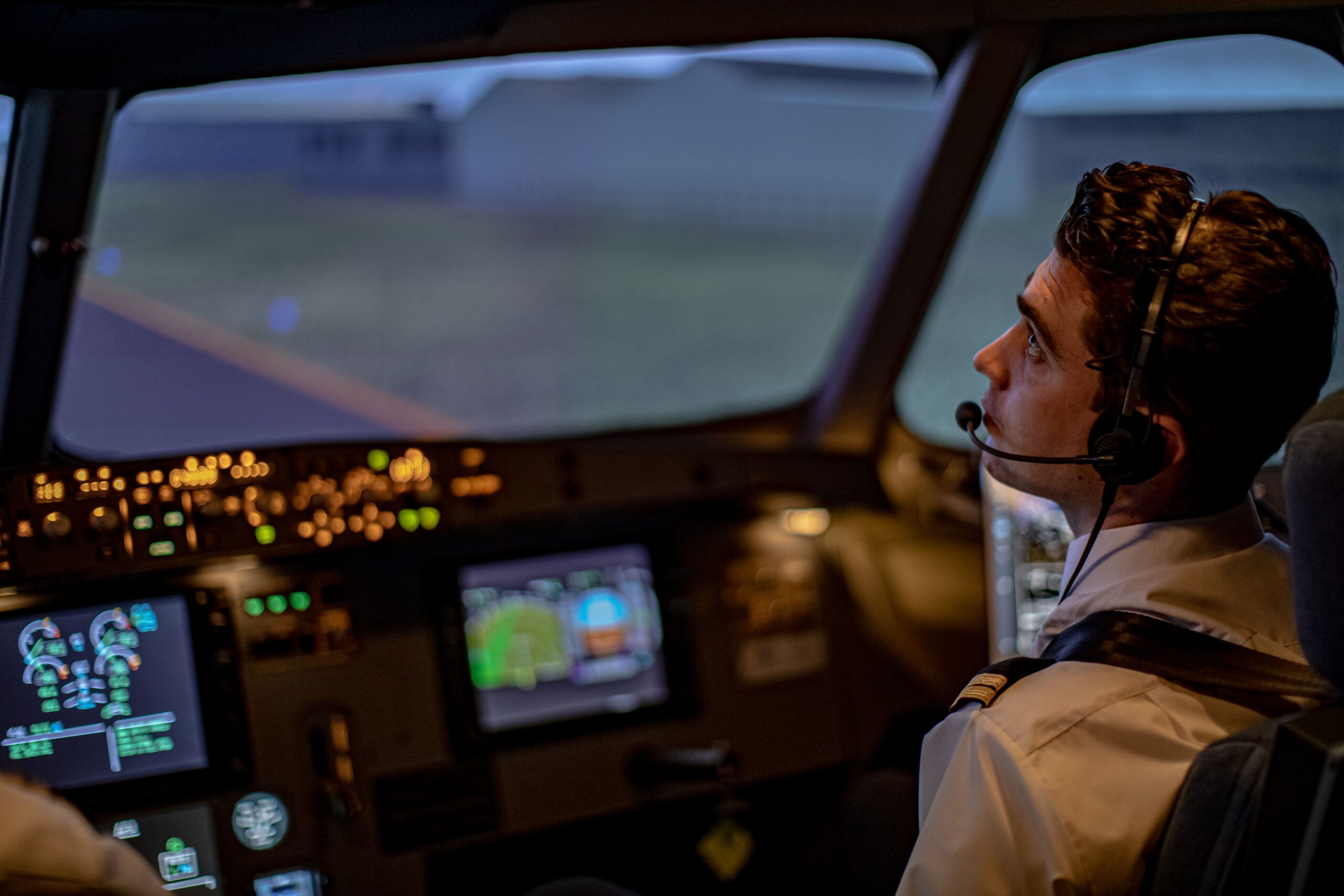
For regional flight academies, controlling training costs while maintaining a consistent level of quality is an important part of running an efficient operation. Flight Training Devices (FTDs), FNPT II simulators and AATDs can support this objective by moving suitable training activities from the aircraft to a controlled simulation environment.
The key is not simply to reduce aircraft hours, but to determine which parts of the syllabus can be trained more efficiently in a simulator and how this can contribute to the academy’s overall return on investment.
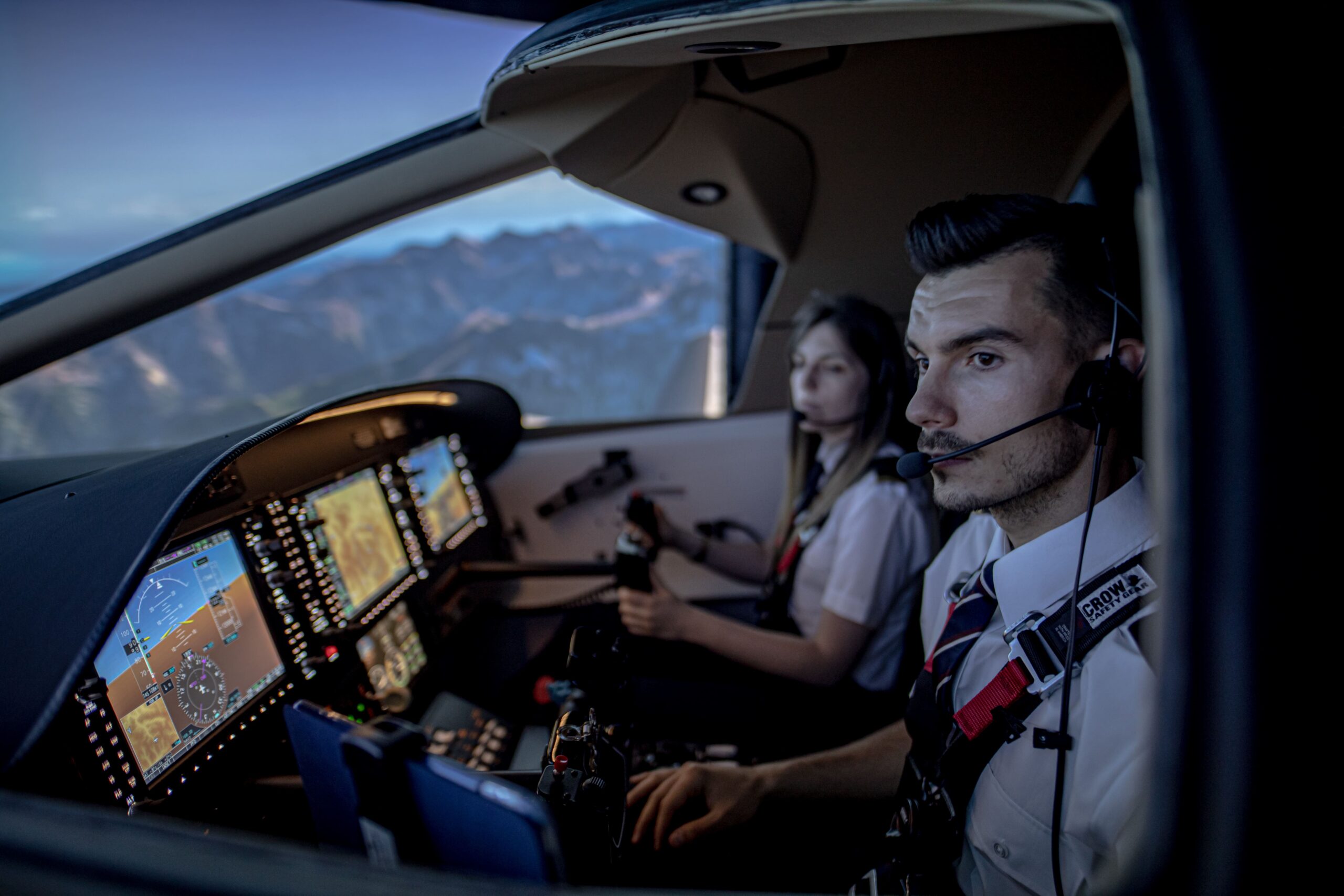
How can Flight Training Devices improve training efficiency?
Aircraft training involves costs associated with fuel, maintenance, aircraft availability and operational use. Some training activities, however, do not necessarily require the aircraft itself.
Moving suitable training activities to simulation
Procedures, instrument training, cockpit familiarisation, systems training and repetitive exercises can often be practised in a simulator environment, depending on the applicable training programme and regulatory requirements.
This allows aircraft time to be focused on exercises where real flight is essential, while simulation provides a controlled environment for procedures that benefit from repetition and standardisation.
Standardising the training experience
A standardised simulator environment allows instructors to reproduce the same procedures and scenarios consistently. Students can repeat an exercise without the variables associated with real-world operations, making it easier to identify areas that require further practice.
For a regional academy, this can contribute to a more predictable training process and more efficient use of both aircraft and instructor time.
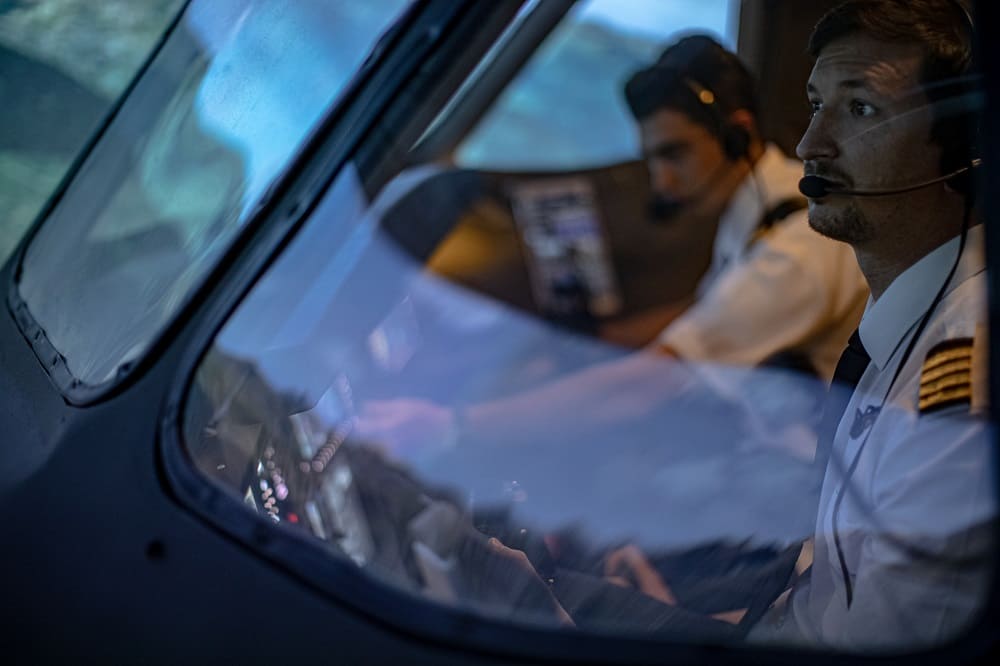
Choosing the right device for the training programme
Different flight training devices provide different levels of capability. The appropriate solution depends on the academy’s syllabus, aircraft and regulatory framework rather than simply selecting the most advanced simulator available.
FNPT II and AATD for Procedural Training
FNPT II and AATD simulators can support a wide range of flight training activities, particularly those involving instrument procedures, navigation, cockpit familiarisation and crew coordination.
FNPT II devices are widely used by flight schools for training programmes such as ATPL and MCC, providing a controlled environment where students can practise procedures and develop their skills before applying them in the aircraft.
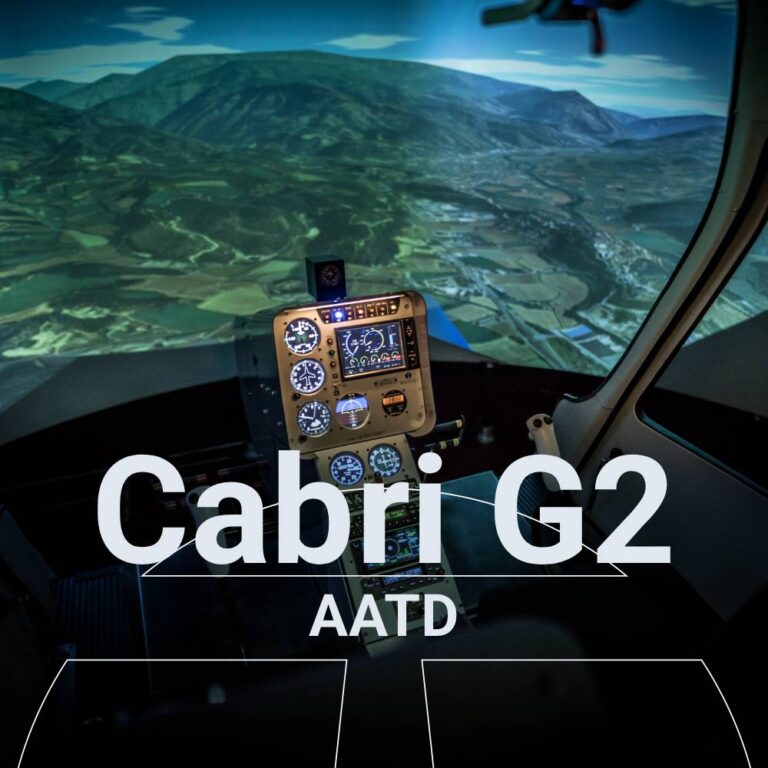
AATDs, within the applicable FAA regulatory framework, provide another option for certain basic and procedural training activities. Their level of complexity can make them suitable for training tasks that do not require the capabilities of a higher-fidelity device.
FTDs for Aircraft-Specific Training
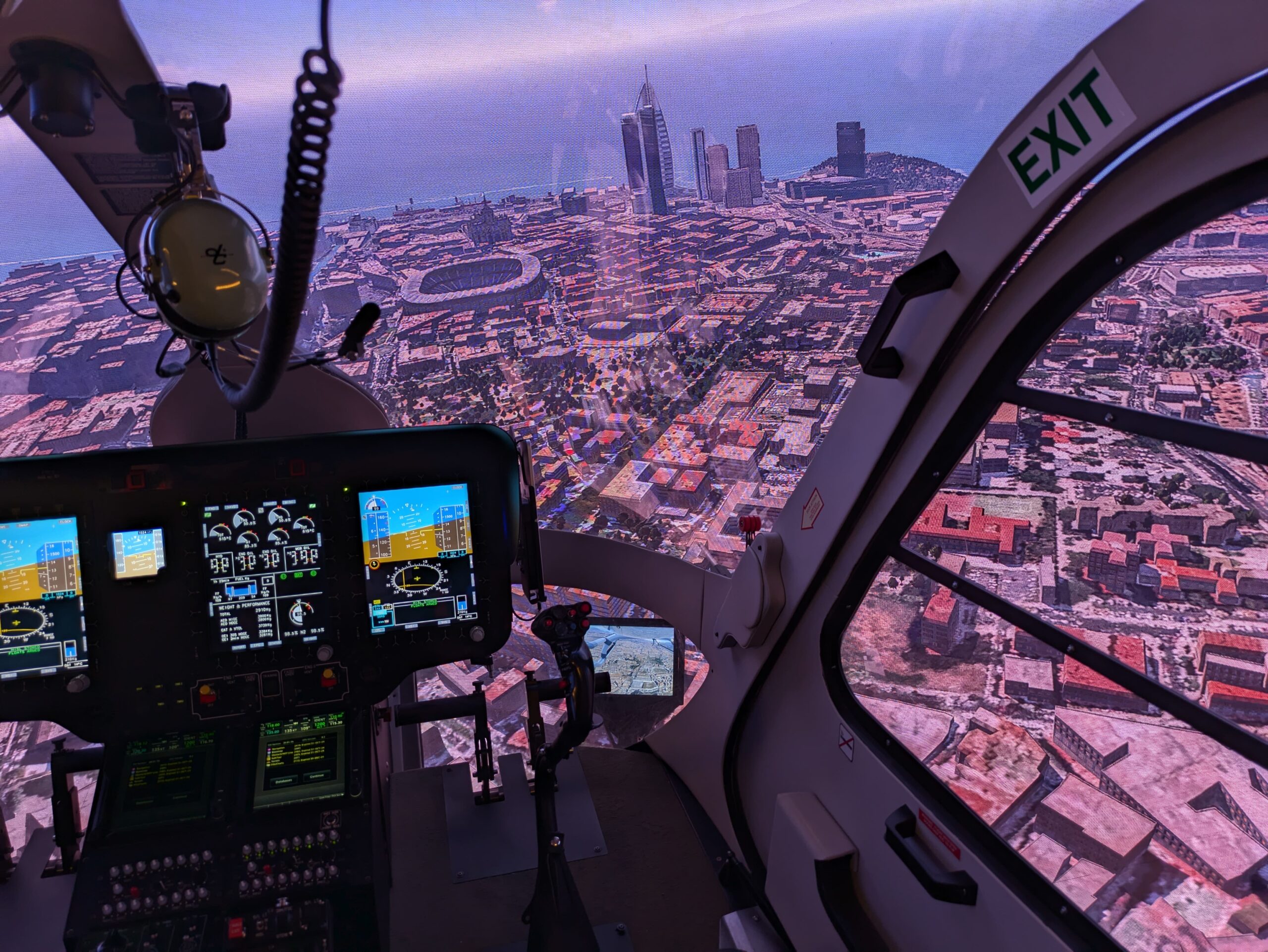
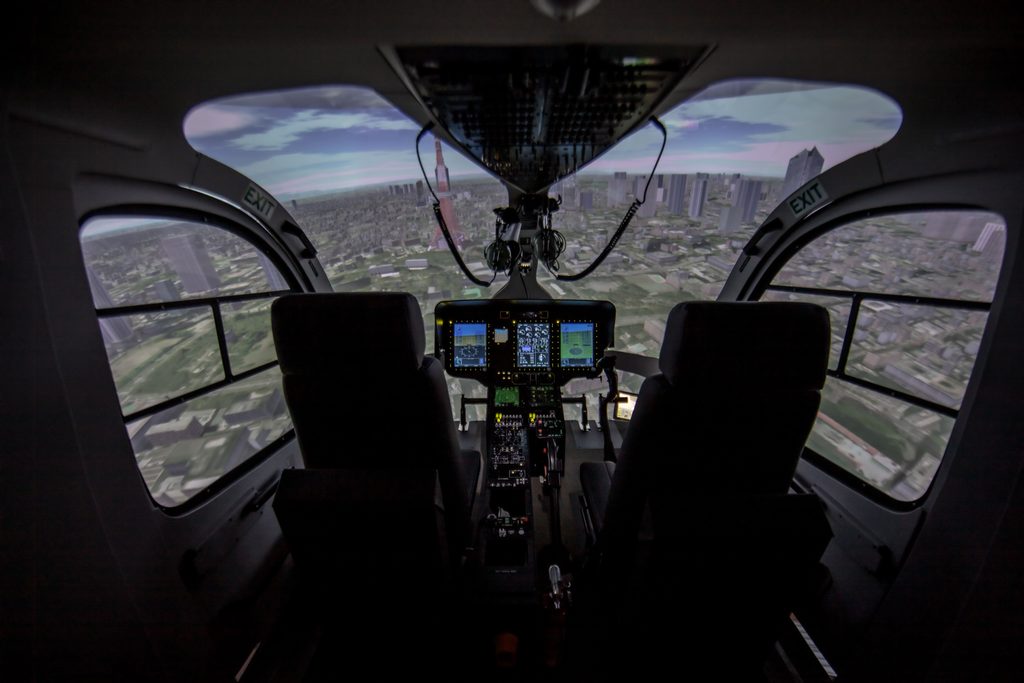
Higher-fidelity Flight Training Devices (FTDs) can provide more detailed, aircraft-specific training, including the representation of aircraft systems, controls and operational procedures.
These devices can be particularly useful when training requires a higher level of representation of the aircraft environment and its systems, allowing suitable training activities to be transferred from the aircraft to a controlled simulation environment.
Ultimately, the right training device should be selected based on the activities that need to be transferred to simulation and the applicable certification requirements. The objective is not necessarily to select the most advanced device, but to use the right level of simulation for each training task.
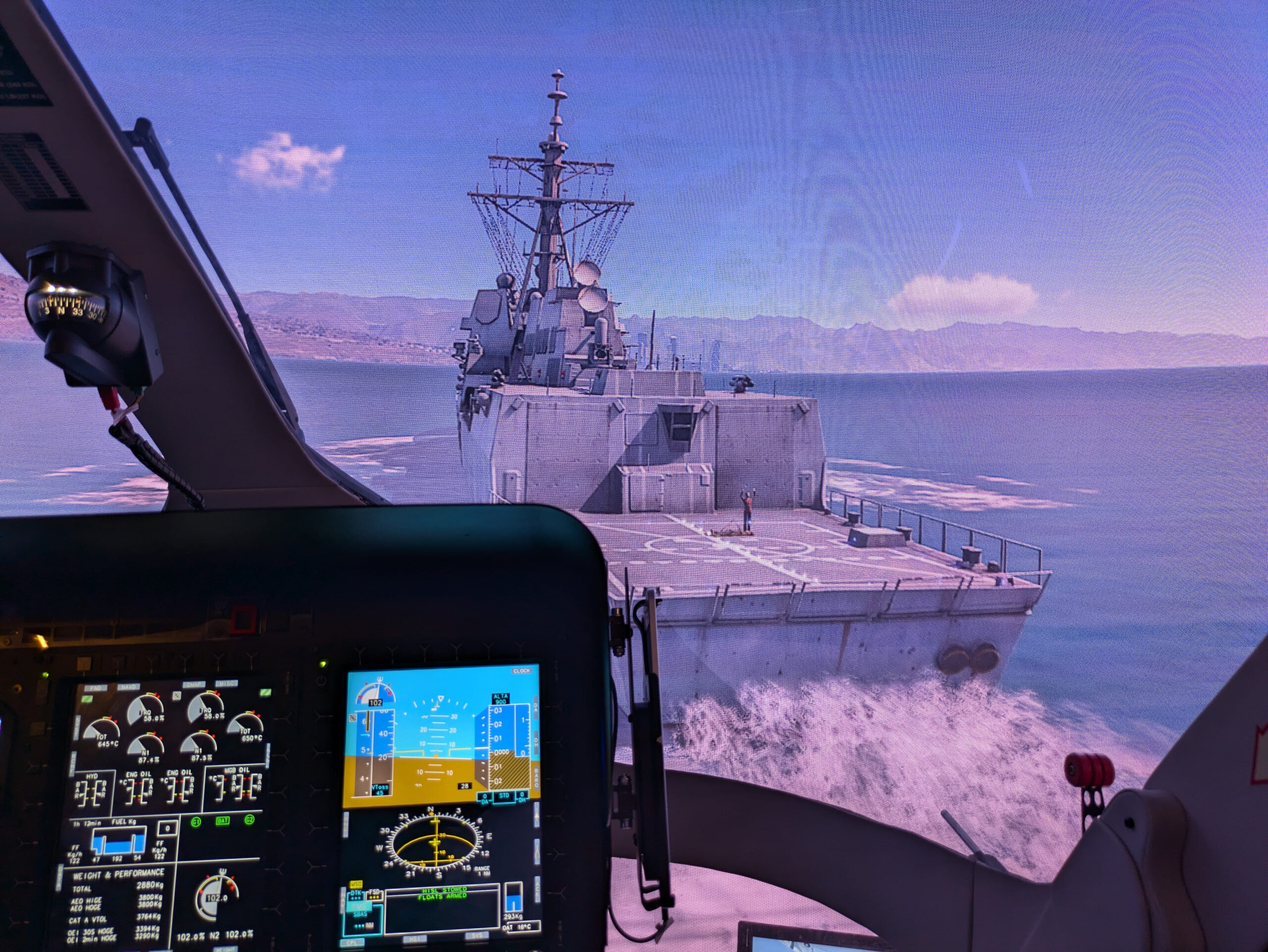
How to build a cost-efficient training programme
Maximising the value of simulation starts with integrating the flight training device into the syllabus rather than treating it as a separate training resource. This can form an important part of a broader pilot training cost optimization strategy.
Identify which hours can be performed in simulation
The academy can analyse its existing syllabus and identify activities that can be effectively trained or practised using an FTD, FNPT II or AATD.
These may include instrument procedures, emergency and abnormal procedures, systems training, navigation and repetitive procedural exercises, depending on the applicable regulatory framework.
This approach helps reduce unnecessary aircraft utilisation while ensuring that students arrive at their aircraft sessions better prepared.
Consider aircraft availability
Aircraft operations can also be affected by maintenance, weather and other operational constraints. A simulator provides an additional training environment that is less dependent on these factors.
This can help academies maintain training continuity and make better use of instructor availability when aircraft operations are disrupted.
How to measure Flight Training Device ROI
The flight training device ROI should be assessed across the complete operational use of the device, rather than by looking only at its initial purchase price or comparing the cost of a simulator hour with an aircraft hour.
A complete business case should consider how the flight training device will be used, how much training can be transferred from the aircraft and how it can contribute to the academy’s overall training capacity.
Calculate the cost of each training hour
A useful starting point is to compare the cost of an aircraft training hour with the cost of performing the same suitable training activity in the simulator.
Aircraft costs can include fuel, maintenance, component and engine usage, leasing or depreciation and other operational expenses. For the simulator, the calculation can include maintenance, technical support, facility costs and instructor time.
This comparison provides an initial indication of the potential savings that can be achieved by transferring suitable training activities from the aircraft to the simulator.
Consider simulator utilisation and training capacity
Direct cost savings are only one part of the ROI equation. The value of a Flight Training Device also depends on how frequently it will be used and how much additional training capacity it can provide.
A well-utilised simulator can help an academy reduce its reliance on aircraft for suitable training activities, increase aircraft availability and support a greater number of students without necessarily increasing its aircraft fleet at the same rate. Depending on its qualification and intended use, it may also support additional training programmes or external operators.
For this reason, the business case should consider factors such as:
- Simulator utilisation
- Training hours transferred from aircraft
- Aircraft operating costs
- Number of pilots and expected training demand
- Student capacity
- Maintenance and support costs
- Additional training services
Build a business case based on your academy´s needs
There is no single simulator solution that delivers the same return for every flight academy. The most cost-effective option depends on factors such as the number of pilots being trained, expected flight hours, training activities and the level of simulator utilisation that can realistically be achieved.
At entrol, we help flight schools assess these factors and build a business case around their specific training needs. By analysing the academy’s expected training demand and potential simulator utilisation, we can help identify which simulator configuration and certification level provide the most appropriate balance between training capability and investment.
This approach allows the academy to evaluate not only the cost of the simulator, but also its potential contribution to training capacity, aircraft utilisation, operational efficiency and long-term return on investment.
Standardised simulation as a long-term investment
For a regional flight academy, simulation can become part of a broader strategy for controlling training costs and increasing capacity.
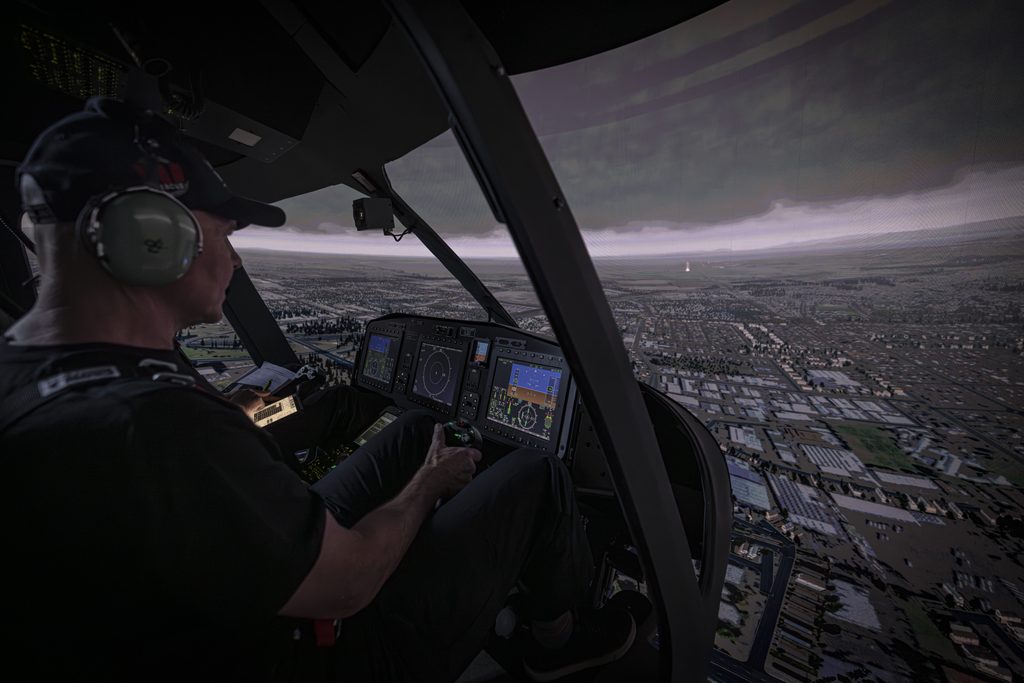
A standardised training environment allows procedures to be practised consistently, while an appropriately selected FTD, FNPT II or AATD can provide capabilities aligned with the academy’s actual training requirements.
The objective is therefore not to replace aircraft training, but to use each training environment where it provides the greatest value. By combining aircraft operations with standardised simulation, flight academies can improve training efficiency while making better use of their existing resources.
For organisations evaluating a new simulator, the most important question is not simply how much the device costs, but which training activities it can support and what value those activities can generate throughout its operational life.