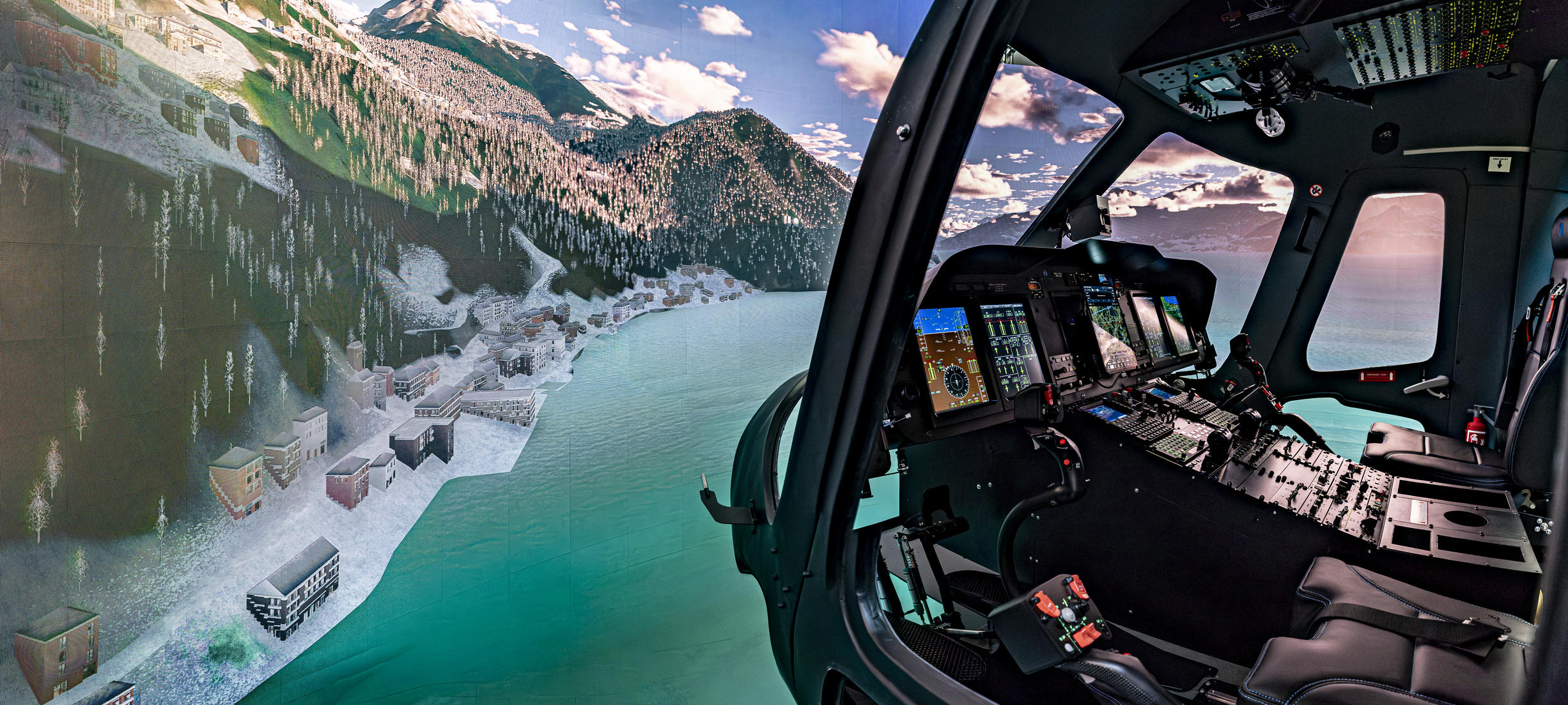
Investing in flight simulation requires a long-term perspective. Flight schools, Approved Training Organisations (ATOs) and aircraft operators must assess not only the initial purchase price, but also the device’s regulatory qualification, training capabilities, operating costs and long-term value. While Full Flight Simulators (FFSs) offer high simulation fidelity and motion capabilities, high-level Flight Training Devices (FTDs) can provide a cost-effective alternative for specific training activities, including certain proficiency checks, depending on the aircraft and applicable regulatory requirements. The key is to select the right device to meet training objectives while optimising resources, infrastructure and training capacity.
In this context, flight simulation can also contribute to broader pilot shortage solutions by improving access to training, increasing training capacity and helping operators make more efficient use of their resources.
Understanding the investment difference between FTDs and FFSs
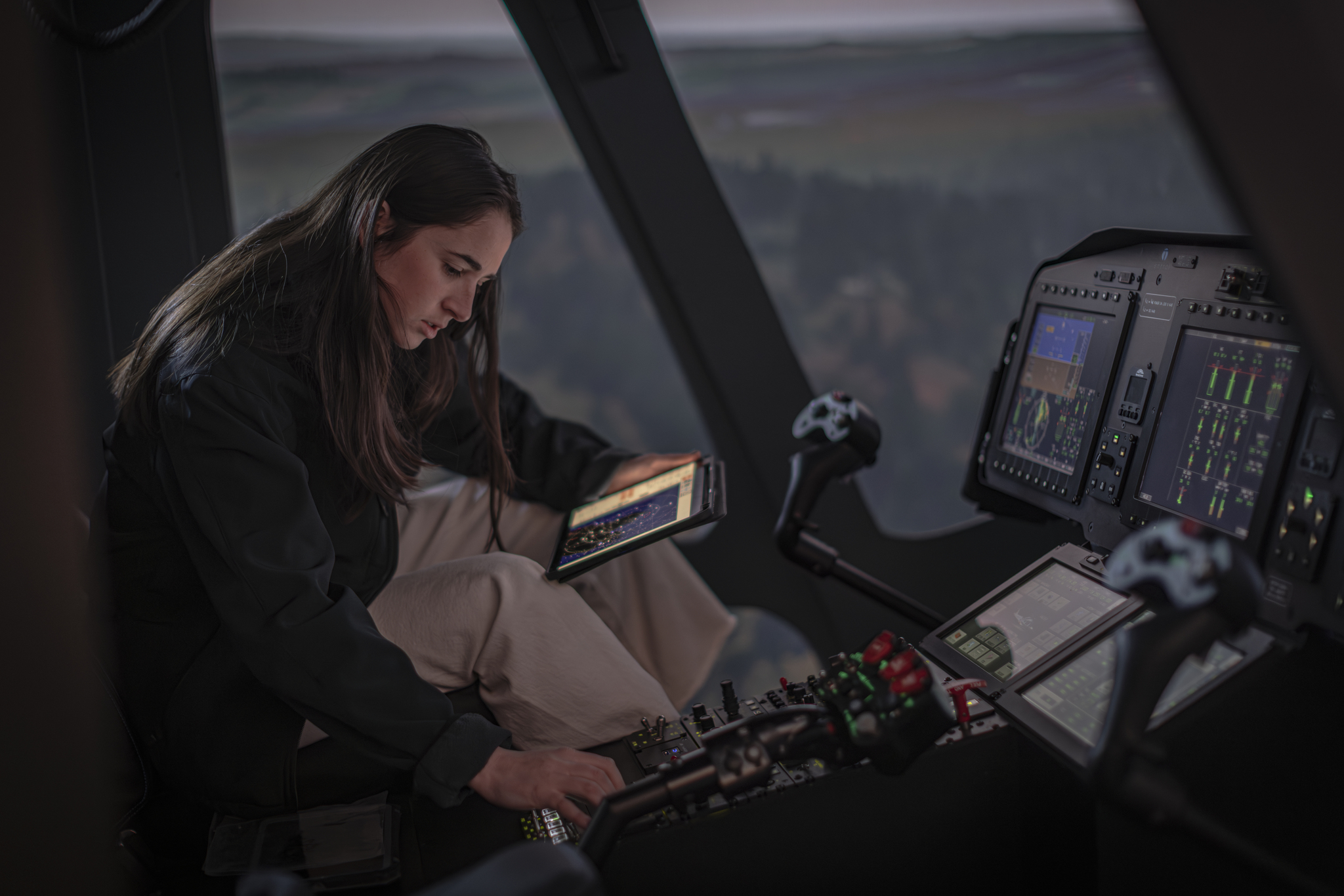
Flight simulator investment goes beyond the initial purchase price, encompassing installation, infrastructure, maintenance, software updates and technical support. While Full Flight Simulators (FFSs) offer motion capabilities, they also involve greater technical complexity and potentially higher maintenance and infrastructure requirements. Fixed-base Flight Training Devices (FTDs) can deliver high-fidelity aircraft-specific simulation without a full-motion platform, making them an attractive alternative when full-motion capabilities are not essential. The actual cost advantage depends on the simulator’s configuration, intended training applications and ongoing operating costs.
Evaluating FTD vs FFS cost over the simulator lifecycle
When evaluating FTD vs FFS cost, operators should consider the total cost of ownership rather than focusing solely on the initial purchase price. Acquisition, installation, maintenance, technical support, facility requirements and expected utilisation all influence the financial performance of a simulator throughout its operational life. Comparing these factors helps organisations identify the most cost-effective solution for their specific training requirements.
FTD vs FFS: comparing capabilities and operational requirements
FTDs and FFSs follow different qualification standards under FAA and EASA regulations, with capabilities varying according to the device, aircraft representation and qualification level. The following table summarises the key differences to support the selection process, noting that qualification levels are not directly interchangeable and capabilities vary between devices.
| Evaluation factor | High-level FTD | Full Flight Simulator (FFS) |
| Initial investment | Generally lower, depending on configuration and qualification | Generally higher due to additional systems and motion platform |
| Operating costs | May benefit from a less complex system architecture | Motion and other additional systems can increase maintenance complexity |
| Cost per training hour | Depends on utilisation, maintenance, staffing and total ownership costs | Depends on utilisation, maintenance, staffing and total ownership costs |
| Proficiency checks | Suitable only when the specific device and applicable rules permit the intended check | Can support a broader range of activities when appropriately qualified and approved |
| Training capabilities | Aircraft-specific procedures, systems and other tasks within the device’s capabilities and qualification | High-fidelity simulation with motion cues and capabilities defined by its qualification |
| Regulatory requirements | Depend on qualification level, aircraft type, task and applicable authority | Depend on qualification level, aircraft type, task and applicable authority |
| Availability and scheduling | An in-house device may improve access and scheduling flexibility | An in-house device can provide similar scheduling benefits, but acquisition and operating requirements may be greater |
| Space and infrastructure | Generally requires less infrastructure without a full-motion platform | Requires infrastructure appropriate for the motion system and simulator configuration |
| Long-term return on investment | Can be attractive when acquisition costs and capabilities match sustained training demand | Can be attractive when the required capabilities and utilisation justify the higher investment |
The cost and infrastructure comparisons above are general tendencies, not guaranteed outcomes. Actual requirements depend on the selected simulator and its installation. Likewise, the ability to perform a proficiency check must be established from the applicable regulations and the specific device’s approved capabilities.
Choosing the right proficiency check simulator
Choosing the right proficiency check simulator starts with identifying the tasks pilots must demonstrate, the applicable training or checking programme and the qualification required for the intended activity. The selected device must be approved for that use under the relevant FAA or EASA framework, as its qualification level alone does not guarantee suitability for every manoeuvre, procedure or check.
Assessing FTD suitability for proficiency checks
A Flight Training Device (FTD) can be a suitable option for certain helicopter training and checking activities, provided its qualification and approved capabilities meet the requirements of the intended programme.
The suitability of an FTD depends on more than its qualification level. Operators must consider the specific helicopter representation, the manoeuvres and procedures to be performed, and the applicable FAA or EASA requirements. Not every device is approved for every proficiency check, and requirements may vary depending on the aircraft and the relevant regulatory framework.
Before selecting a simulator, operators should verify its qualification documentation, any applicable limitations and its suitability for the intended activities with the relevant aviation authority and simulator manufacturer. This helps ensure that the chosen device meets operational requirements while supporting an efficient, long-term training strategy.
A practical framework for selecting the right simulator
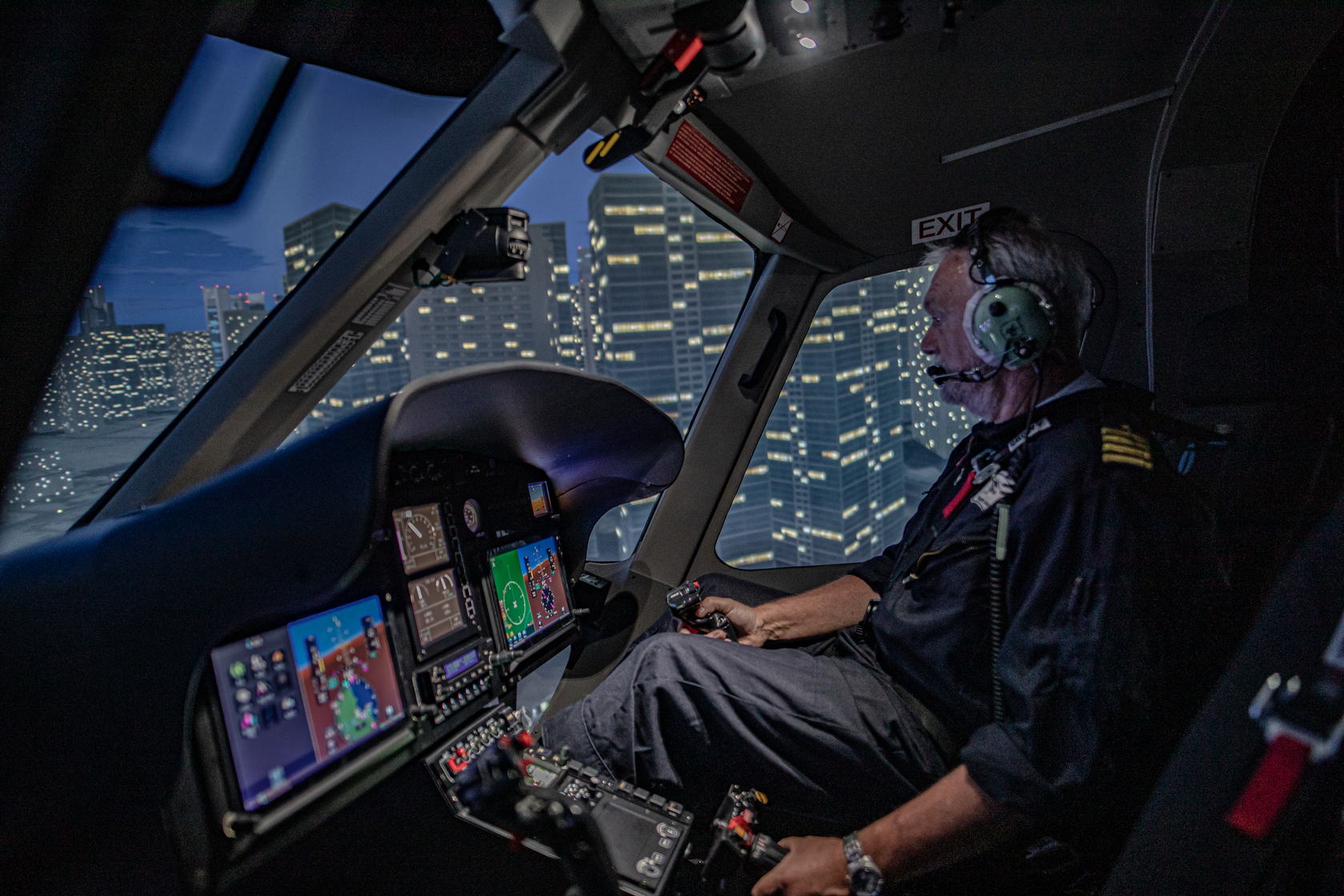
A structured assessment helps organisations avoid over-specifying a simulator or selecting a device that cannot support their intended activities. Before committing to an investment, flight schools and operators should consider the following factors.
1. Define the training requirements
Identify the proficiency checks, recurrent training activities, aircraft systems and procedures the simulator must support. Separate mandatory training requirements from additional activities that would improve operational preparedness.
2. Confirm qualification and regulatory acceptance
Establish the applicable regulatory framework and identify the required qualification level and task approvals. Confirm any limitations with the relevant authority and ensure that the intended training programme can be conducted on the selected device.
3. Compare total ownership costs
Assess acquisition, installation, maintenance, support, upgrades and facility requirements. Estimate expected annual training hours and compare the resulting costs over a consistent period. Include realistic assumptions about downtime, staffing and future demand.
4. Assess utilisation and future requirements
Consider whether the simulator will support enough training activity to justify the investment. Review expected fleet changes, aircraft configurations, future training needs and the possibility of upgrading the device as requirements evolve.
5. Evaluate the complete solution
Look beyond the simulator’s headline specifications. Aircraft fidelity, instructor tools, debriefing capabilities, technical support and long-term maintainability all contribute to its operational value. Early collaboration with the manufacturer can help align the technical configuration, qualification strategy and business case.
Choosing an FTD over an FFS: a decision based on training needs
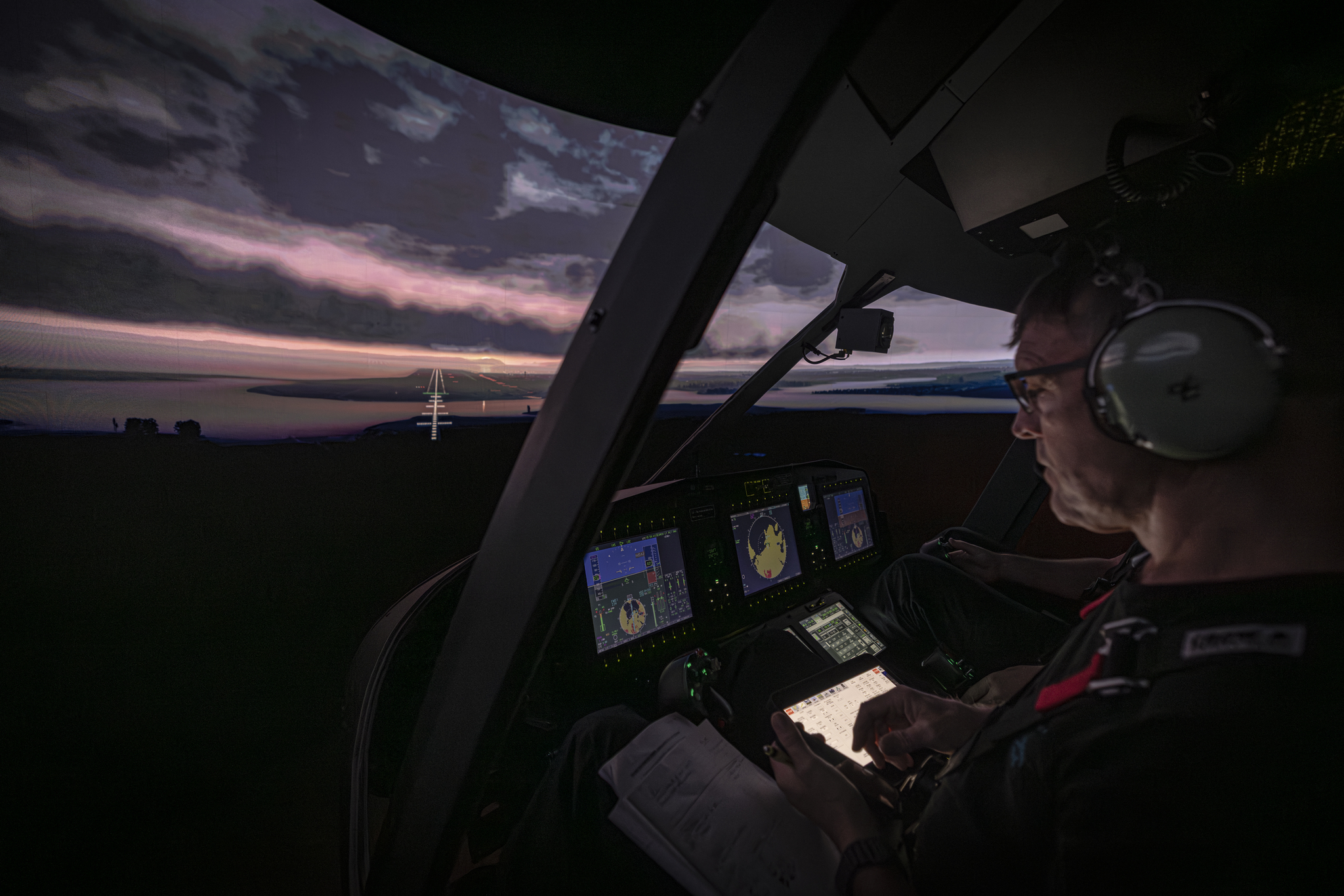
Selecting an FTD over an FFS can be a sound investment when the device meets the requirements of the intended training activities and its qualification permits the planned use. A high-level FTD can provide aircraft-specific training without the additional complexity of a full-motion platform when motion capabilities are not essential. However, an FFS remains necessary when the training programme requires capabilities an FTD cannot provide or regulatory requirements do not permit the activity on the available device.
For flight schools and operators, the goal is to balance training capabilities, regulatory compliance, availability and lifecycle costs rather than simply choosing the most advanced or least expensive simulator. Evaluating these factors together enables organisations to make informed investment decisions, allocate training resources effectively and select a simulation solution that supports their long-term operational requirements.