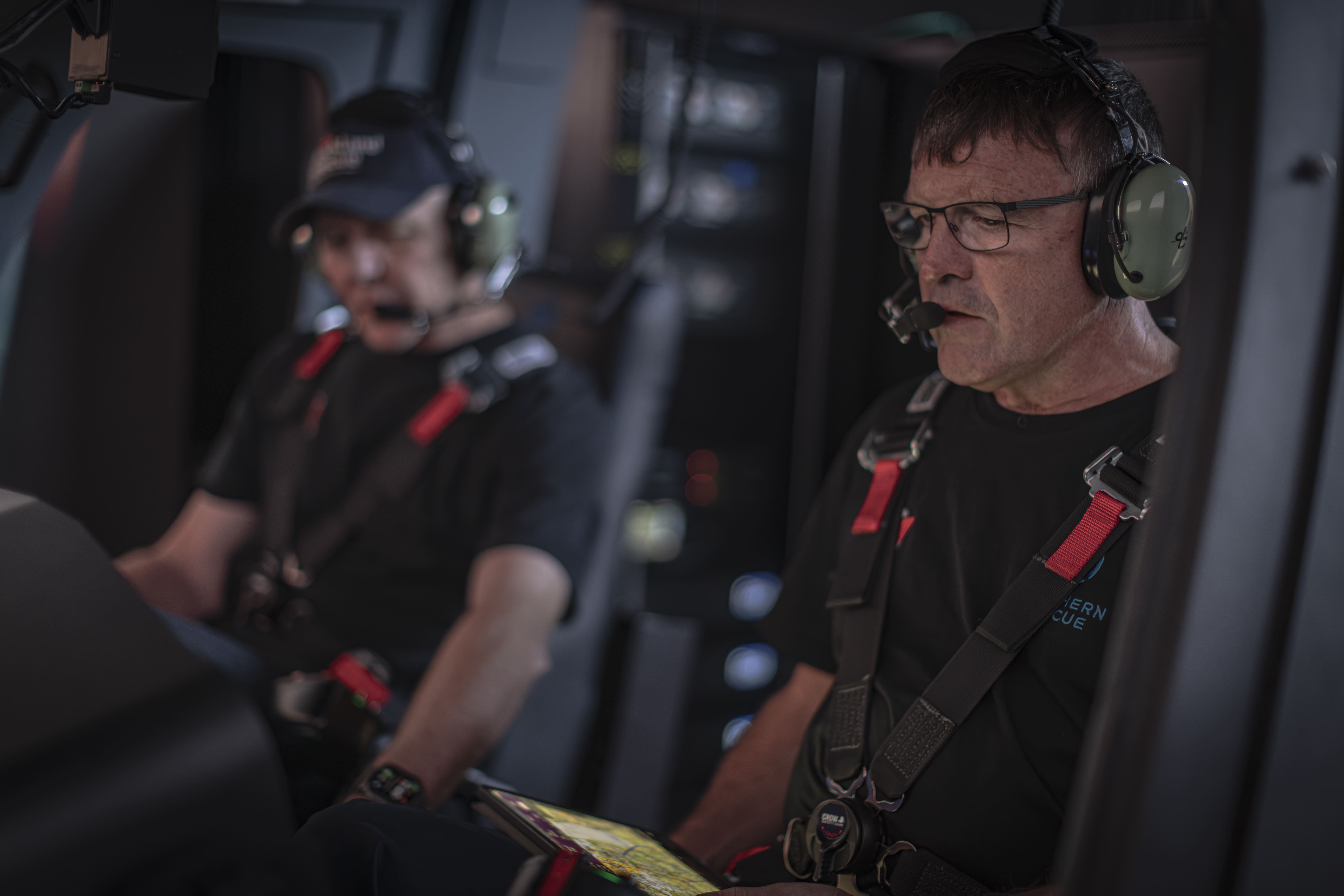
For today’s flight schools and aviation academies, balancing high-quality pilot training with financial sustainability has never been more challenging. Rising fuel prices, increasing maintenance requirements, insurance costs and limited aircraft availability all have a direct impact on operating costs. At the same time, the global demand for qualified pilots continues to grow, requiring training organisations to educate more students without proportionally increasing their fleet or operating expenses.
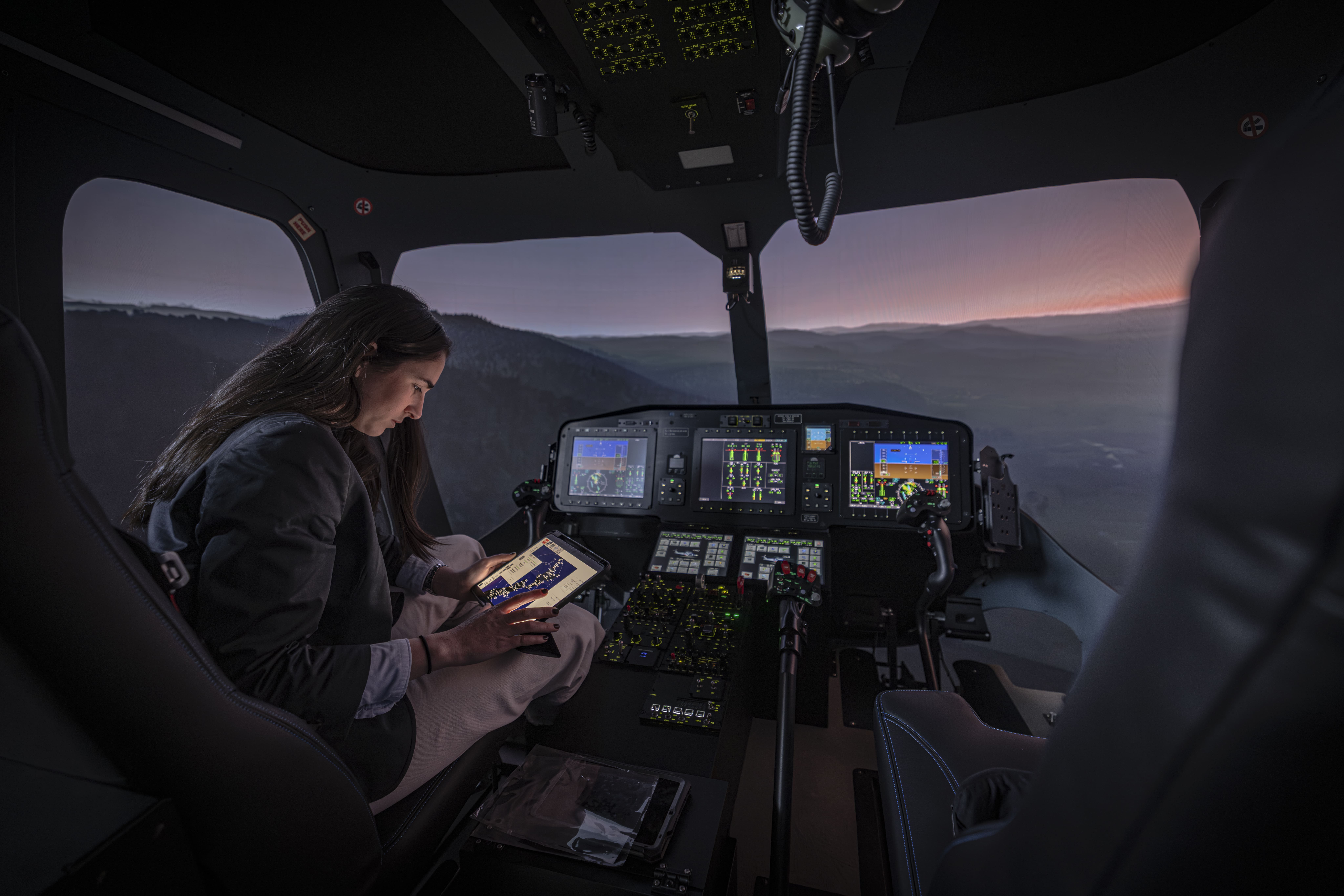
Certified flight simulators have become one of the most effective tools for delivering cost-effective flight training. Rather than replacing aircraft, they allow schools to optimise the use of their fleet by transferring suitable parts of the training syllabus to a controlled, highly effective learning environment. The result is lower operating costs, reduced aircraft wear, greater training capacity and a more efficient use of resources while maintaining the highest training standards.
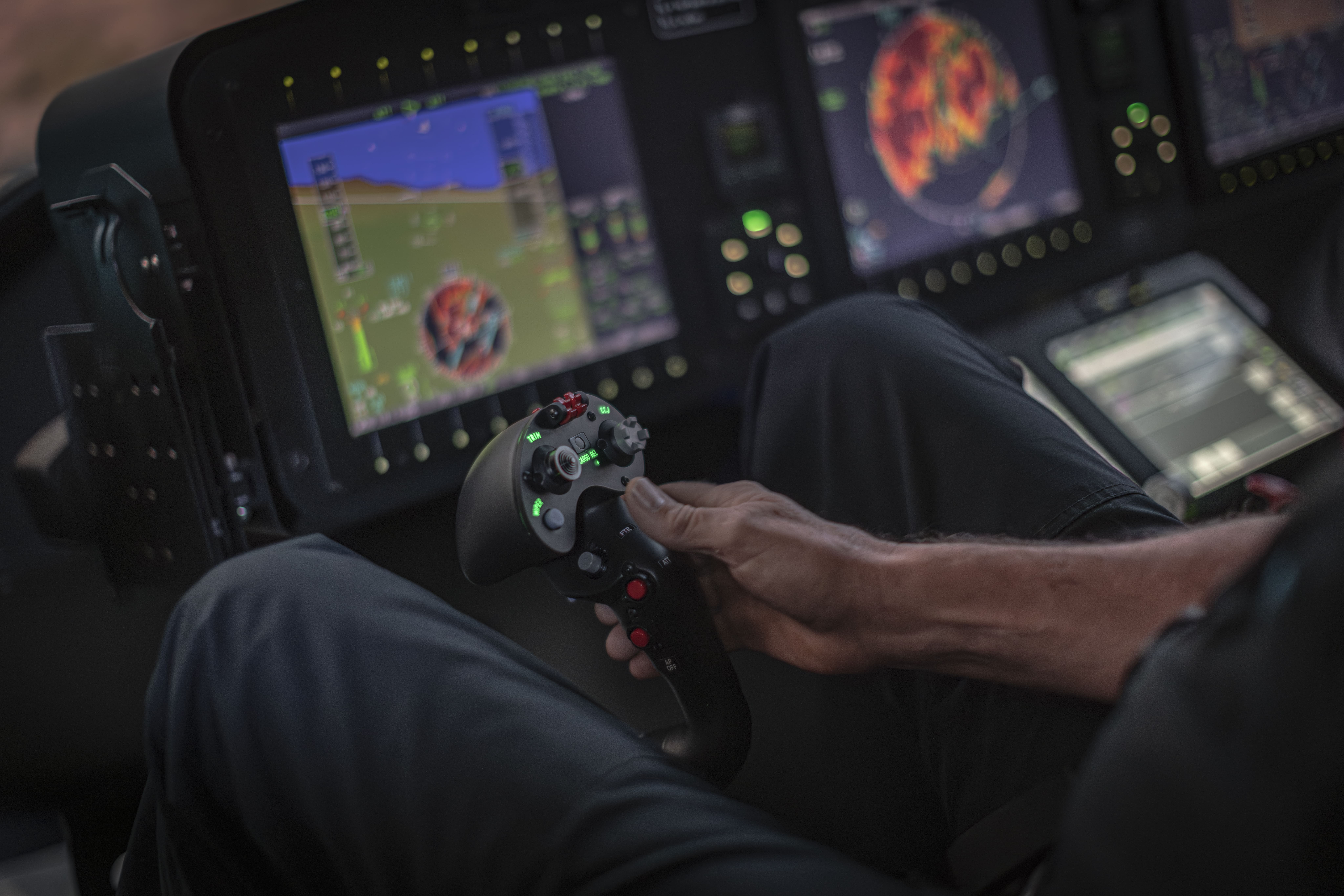
Simulator vs real flight hours: finding the right balance
Reducing real flight hours is not about flying less – it’s about using each training resource where it delivers the greatest value. As operating costs continue to rise, flight schools are increasingly adopting a hybrid training model that combines aircraft and certified flight simulators. This approach delivers more cost-effective flight training while maintaining the quality and regulatory compliance of pilot training.
Making every flight hour more valuable
Aircraft remain an essential part of pilot training, but not every exercise needs to be completed in the air. Procedural training, instrument flying, abnormal situations and emergency scenarios can often be taught more effectively in a certified simulator, where instructors can pause, repeat and adapt exercises without operational constraints.
This approach allows students to build confidence and proficiency before transitioning to the aircraft. Instead of spending valuable flight hours practising repeatable procedures, schools can reserve real aircraft for the phases of training where real-world flying provides the greatest educational value. The result is a better balance between simulator sessions and real flight hours, maximising the value of every aircraft sortie.
Certification makes simulator hours count
The ability to replace aircraft hours depends on the certification level of the simulator and the applicable regulatory framework. Devices such as FNPTs, Flight Training Devices (FTDs) and Full Flight Simulators (FFSs) each support different portions of approved training in accordance with EASA and FAA requirements.
As certification levels increase, so does the amount of training that can be credited in the simulator. This enables flight schools to reduce aircraft utilisation without compromising regulatory compliance, ensuring that training remains both efficient and fully recognised by aviation authorities.
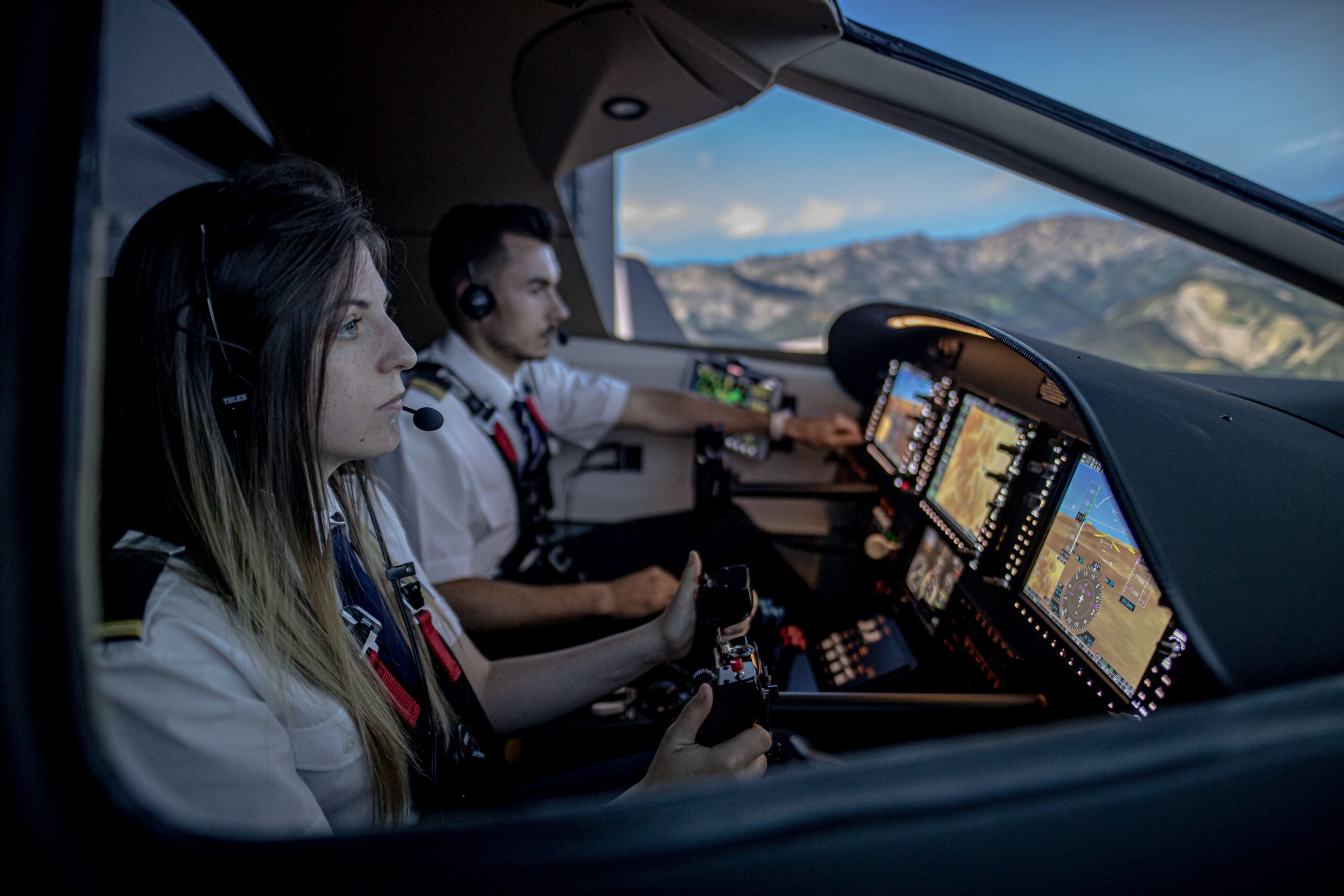
Lower operating costs while protecting your fleet
One of the biggest advantages of simulation is its direct impact on operating costs. Replacing appropriate aircraft hours with simulator sessions reduces fuel consumption, maintenance requirements and aircraft wear, while preserving the fleet for the training that truly requires real flight.
Reduce unnecessary aircraft utilisation
Operating an aircraft involves far more than fuel consumption. Every training flight contributes to engine hours, scheduled maintenance, inspections, replacement of life-limited components, tyre and brake wear, airport fees and maintenance labour. In helicopter training, it also accelerates the wear of high-value dynamic components such as rotor systems and transmissions.
By transferring appropriate training exercises to a certified simulator, flight schools can significantly reduce these expenses while delivering the same learning outcomes. Over the lifetime of an aircraft, these savings become substantial, particularly for academies conducting large volumes of initial and recurrent training. This is why simulation has become one of the most effective ways of delivering cost-effective flight training while reducing the overall cost per student.
Reducing fleet maintenance costs
Investing in a certified flight simulator is no longer simply a training decision – it is a strategic business investment. Beyond reducing operating costs, simulation helps flight schools optimise their resources, increase training capacity and build a more scalable operation. By making better use of aircraft, instructors and facilities, schools can meet growing demand without proportionally increasing their operating costs.
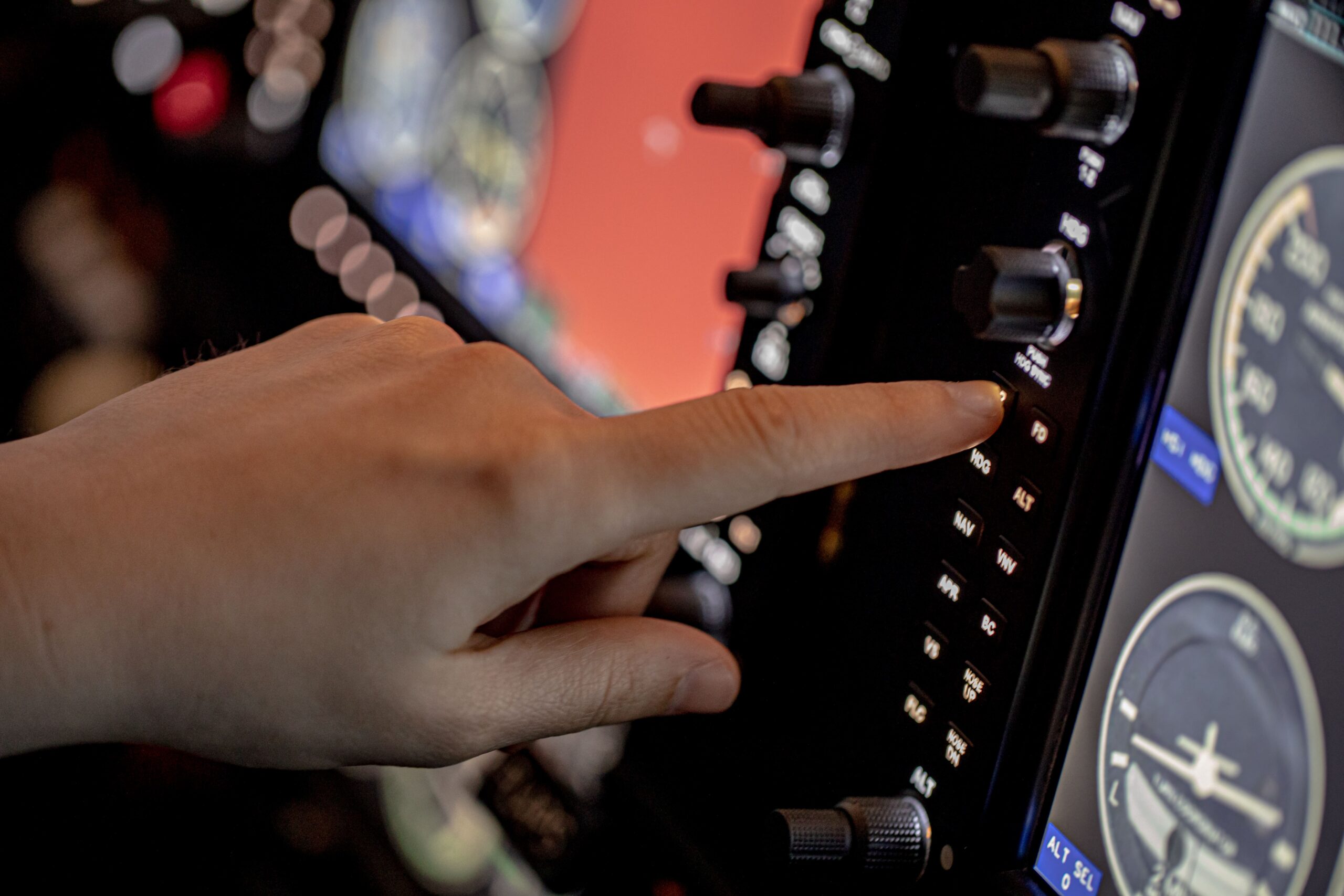
Improving flight school ROI with certified simulators
Simulation not only reduces costs- it also helps schools make better use of their existing resources. Aviation academy optimization is achieved by improving the utilisation of aircraft, instructors and training facilities, allowing organisations to train more pilots without proportionally increasing their operating costs.
Train more pilots with the same resources
One of the greatest advantages of simulation is that it allows training organisations to maximise the use of their existing resources. Unlike aircraft operations, simulator sessions are not affected by weather conditions, airspace congestion or maintenance-related downtime, giving schools greater flexibility when scheduling instructors, students and aircraft.
Rather than expanding their fleet to accommodate more trainees, many organisations increase their training capacity by moving appropriate lessons to certified simulators. This allows them to train more students while making better use of the aircraft they already own, creating a more efficient and scalable training operation.
Deliver more consistent and effective training
Simulation provides a standardised training environment where every student can complete the same exercises under identical conditions. Instructors can pause scenarios, repeat manoeuvres and gradually increase the complexity of each session, ensuring that every trainee reaches the required level of proficiency before progressing.
Emergency procedures, abnormal situations and instrument flying can all be practised repeatedly without the operational constraints of a real aircraft. As a result, students arrive better prepared for flight training, improving learning outcomes while making every aircraft hour more productive.
Long-term operational value and higher flight school ROI
Investing in a certified simulator is no longer simply a training decision – it is a strategic business decision. Beyond regulatory compliance, simulation improves flight school ROI by lowering operating costs, increasing fleet availability and creating a scalable training model capable of supporting future growth.
The smarter way to train pilots
Reducing real flight hours is not about replacing aircraft – it is about creating a training model that combines the strengths of real flight and certified simulation. By using each resource where it delivers the greatest value, flight schools can reduce costs, protect their fleet, improve training quality and prepare more pilots for the future.
At entrol, our certified flight simulators help flight schools and aviation academies achieve these goals while meeting the highest EASA and FAA training standards.