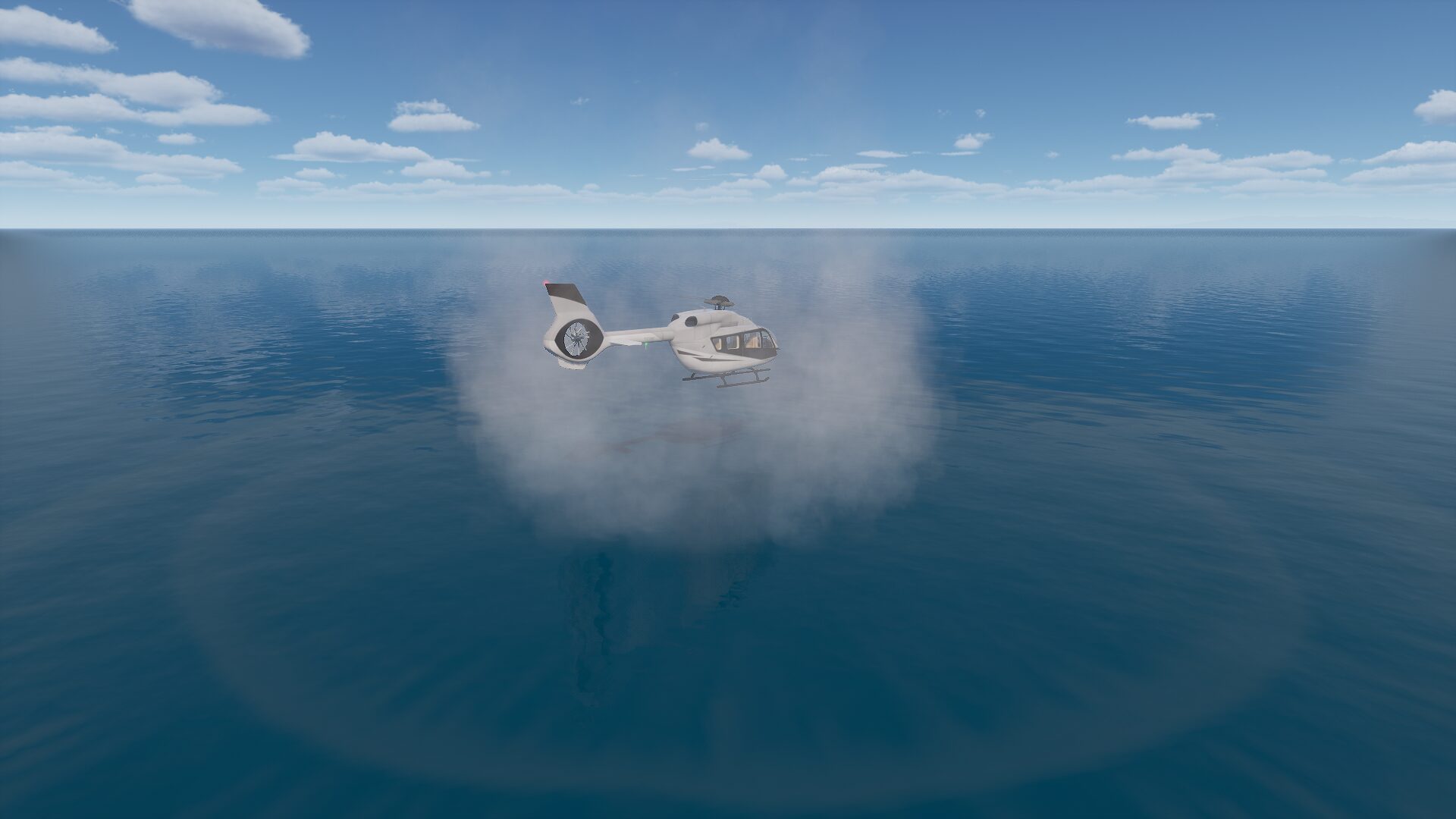
Every summer, helicopter crews operate in increasingly demanding conditions. High temperatures, dry terrain, dust, and smoke can create degraded visual environments (DVE), while prolonged exposure to heat can contribute to thermal fatigue and increased pilot workload.
Advanced simulation platforms now allow operators to recreate degraded visual environments in a safe training environment, enabling crews to build the procedural skills, situational awareness, and decision-making needed to perform safely and effectively during demanding summer operations.
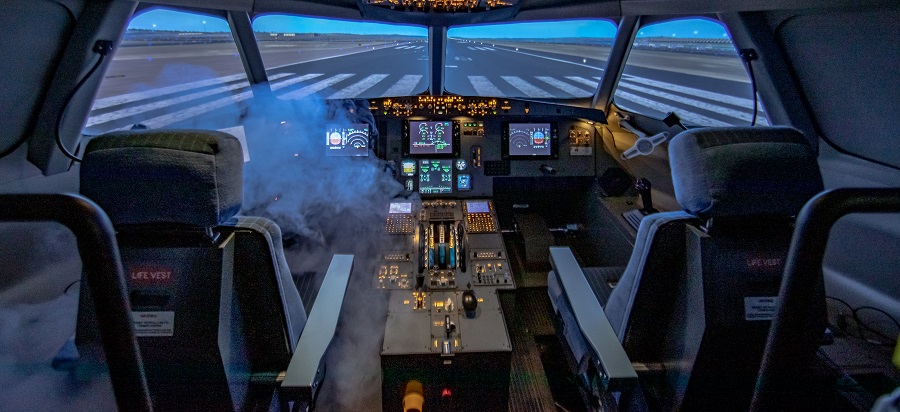
Summer operations create new challenges for helicopter crews
Summer brings a unique combination of environmental and operational challenges. High temperatures affect aircraft performance and can increase pilot workload, while dry terrain and wildfire activity raise the likelihood of degraded visual environments.
High temperatures, thermal fatigue, and aircraft performance
High temperatures reduce air density, affecting rotor efficiency, engine performance, payload capacity, and takeoff distances. These effects become even more significant during “hot and high” operations.
At the same time, prolonged exposure to heat can contribute to thermal fatigue, affecting concentration, decision-making, and pilot situational awareness, particularly during demanding missions such as HEMS, SAR, firefighting, and emergency response operations.
The rise of degraded visual environments
A degraded visual environment occurs when environmental conditions reduce or eliminate the visual references pilots rely on to maintain control of the aircraft.
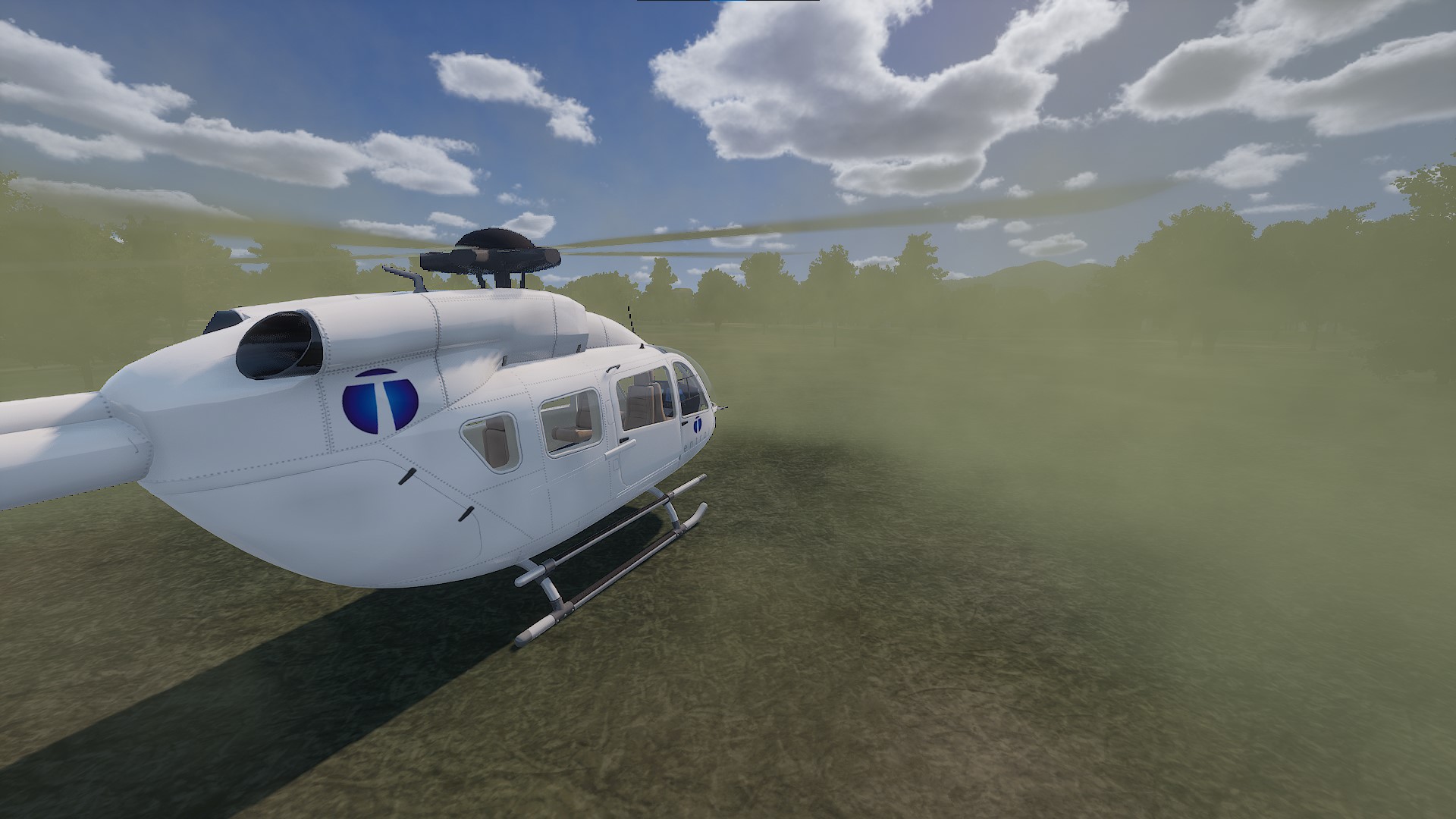
Dust, sand, wildfire smoke, and rotor downwash can significantly reduce visibility, creating situations such as:
- Brownout
- Smoke obscuration
- Other reduced-visibility conditions
When visual references disappear, maintaining pilot situational awareness becomes considerably more challenging.
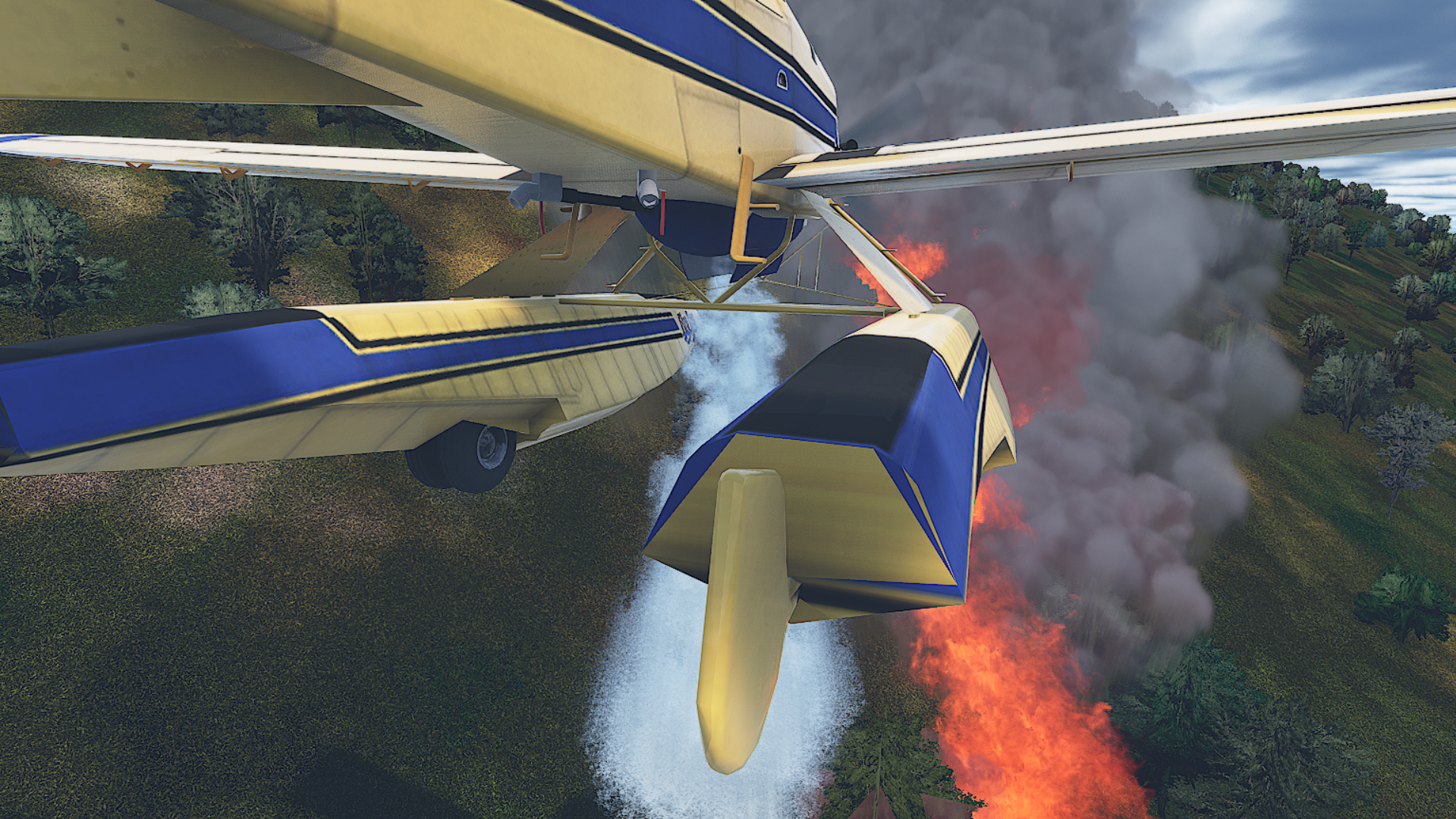
Why summer missions demand specialized training
Maintaining pilot situational awareness is critical during helicopter operations. However, high temperatures, increased workload, and degraded visual environments can make it more difficult for crews to accurately perceive, process, and respond to changing conditions.
Limited margin for error during critical operations
Summer conditions can create situations where pilots must manage multiple challenges simultaneously. Reduced visibility, high temperatures, and increased workload can all occur during critical phases of flight such as takeoff, landing, hover operations, or emergency response missions.
For crews operating in HEMS, SAR, firefighting, or offshore environments, maintaining pilot situational awareness becomes essential to ensure safe and effective mission execution.
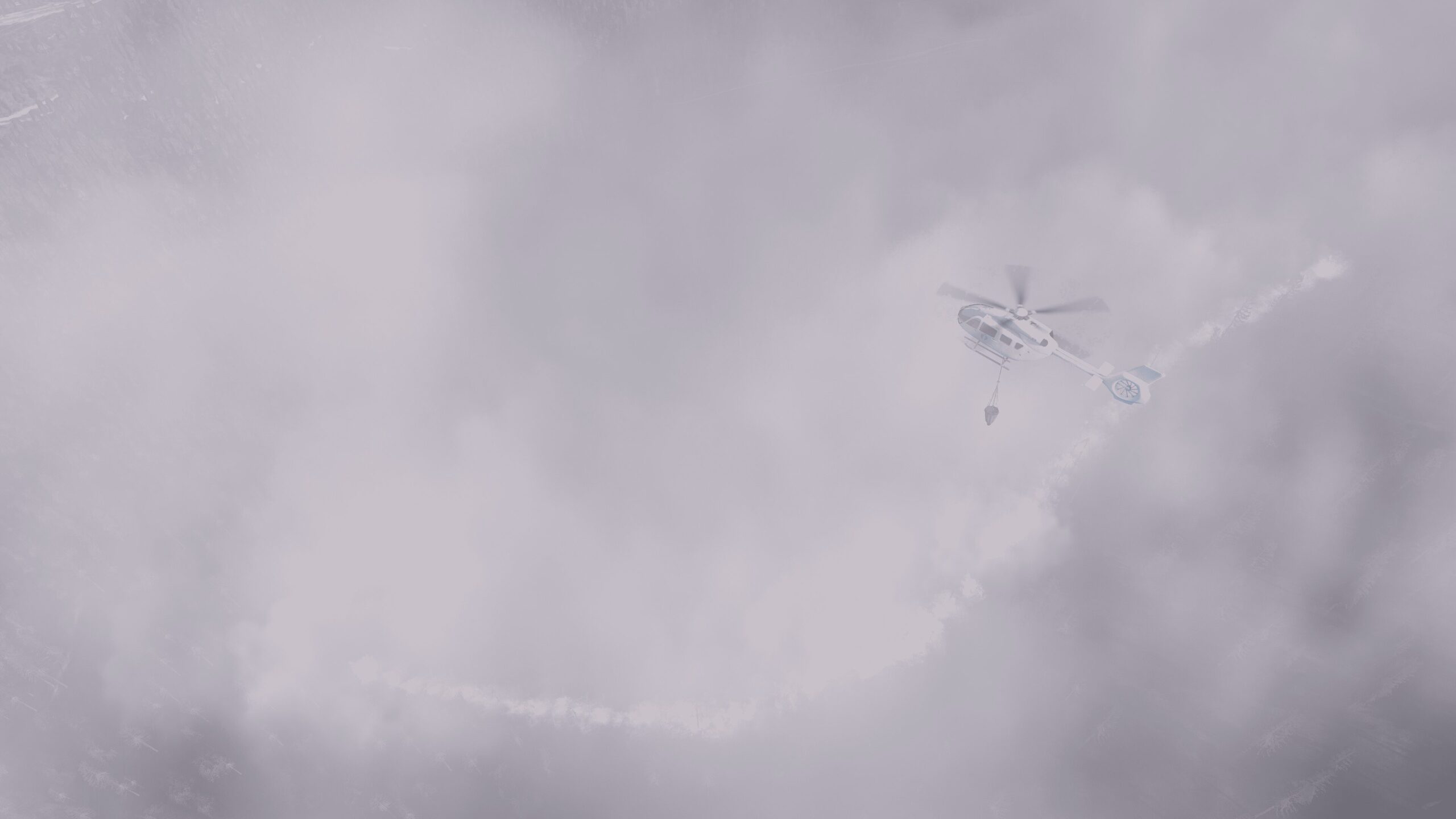
Training summer operational challenges through simulation
Because DVE conditions and thermal fatigue-related scenarios can be difficult or unsafe to reproduce in real aircraft, simulation has become one of the most effective tools for preparing crews for summer operations.
Recreating challenging operational conditions safely
Training scenarios can include:
- Brownout effects
- Dust and smoke obscuration
- Strong winds and localized weather events
- Dynamic visibility changes
- Emergency procedures
These scenarios help improve situational awareness, workload management, and decision-making, making them particularly valuable for emergency response training.
Advanced visual technologies for mission training
Modern simulation technologies allow operators to recreate complex operational environments with a high level of realism. Through degraded visual environments simulation and helicopter brownout training, crews can safely practice procedures that would be difficult or risky to reproduce in real aircraft. The objective is not to recreate the physiological effects of heat itself, but to train pilots to manage the operational consequences of high-temperature missions safely and effectively.
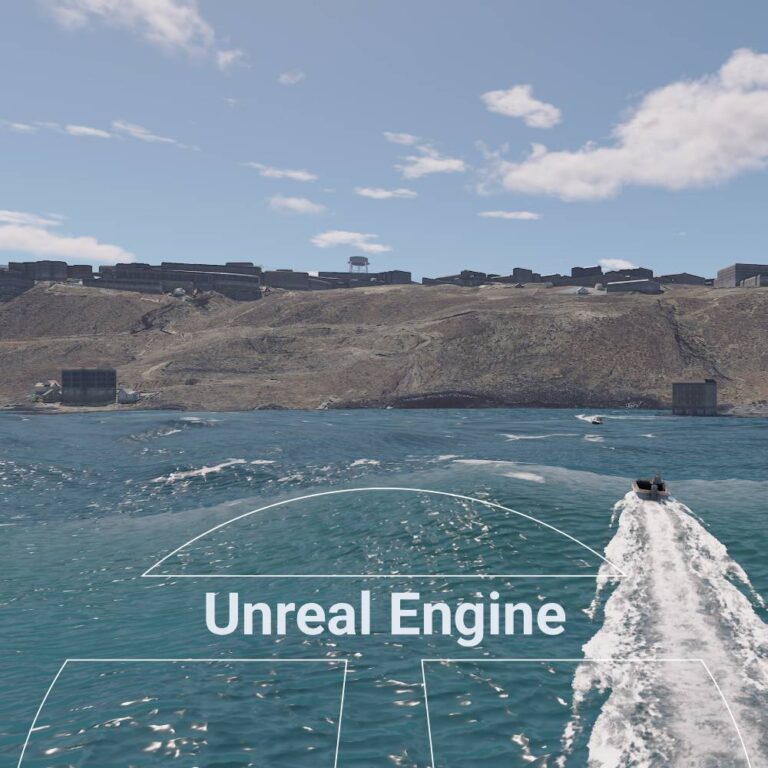
Through Envision, entrol’s Unreal Engine-based image generator, crews can train in realistic weather conditions, wildfire environments, dust clouds, and reduced-visibility scenarios adapted to their operational requirements.
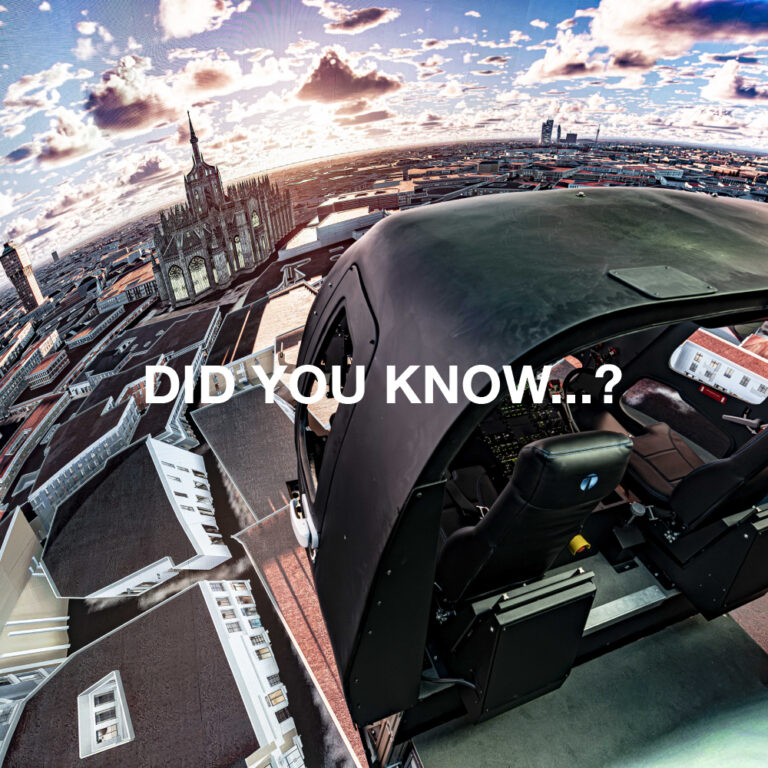
Combined with enwall´s LED visual system and Mixed Reality technology, pilots benefit from enhanced terrain perception and depth awareness during SAR, firefighting, external load, and precision hover operations.
Preparing crews for increasingly demanding summer operations
As summer operations become increasingly demanding, helicopter crews must be prepared to manage reduced visibility and thermal fatigue. Through realistic and mission-specific training environments, simulation helps operators improve safety, pilot situational awareness, and decision-making before these challenges are encountered in real-world operations.