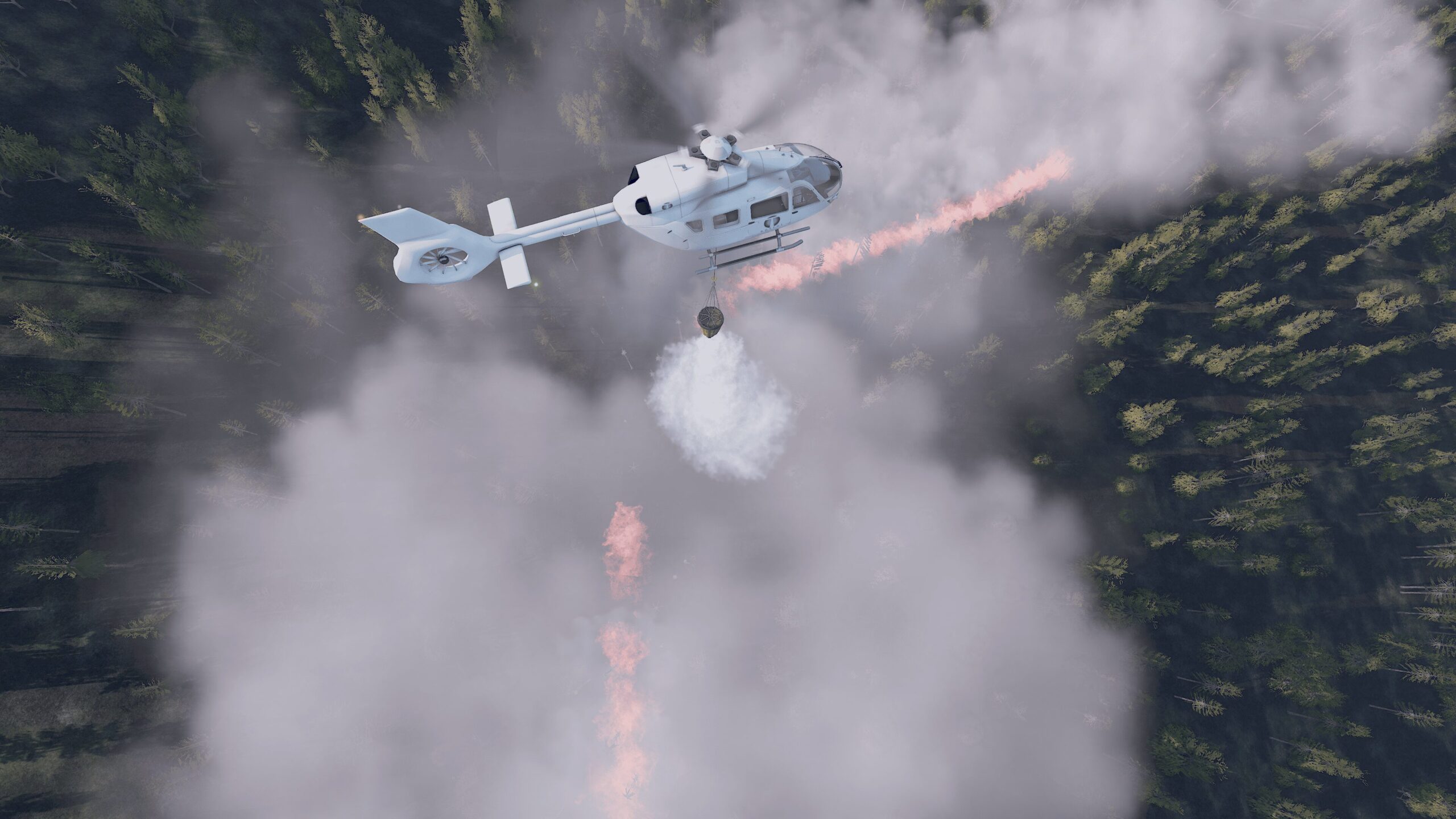
Aerial firefighting operations demand the highest level of operational readiness from pilots and crews. As wildfire seasons become longer and more demanding, aerial firefighting training has become essential for improving summer aviation safety and preparing crews for complex emergency operations.
To prepare crews for these environments, operators increasingly rely on aerial firefighting simulator technologies capable of recreating mission rehearsal, water drop procedures, Bambi Bucket operations, and complex aerial firefighting scenarios within immersive and realistic training environments for both rotary- and fixed-wing operations.
The growing challenge of aerial firefighting during summer
Aerial firefighting operations have become significantly more complex in recent years. In many regions, wildfire seasons are becoming longer and more unpredictable, forcing operators to maintain a higher level of operational readiness throughout the summer.
Increasing pressure on aerial firefighting crews
The rise in large-scale wildfire has also increased the need for highly trained pilots and crews capable of operating in dynamic, high-workload environments.
During these missions, pilots frequently fly close to terrain, smoke, obstacles, and other aircraft participating in the same operation. Maintaining summer aviation safety in these conditions requires precision, coordination, and continuous operational preparation before and during wildfire season.
The operational complexity of aerial firefighting
Firefighting missions require combining different mission profiles, specialized aircraft, and high-precision procedures within highly dynamic operational environments.
Multi-role aircraft operations
Helicopters such as the H145, Bell 412, Bell 429, AW139, or H125 are used in operations that combine aerial firefighting, helicopter emergency services, SAR, utility operations, and emergency response missions. Their versatility allows operators to quickly adapt to different mission profiles while maintaining high operational availability during peak activity periods.
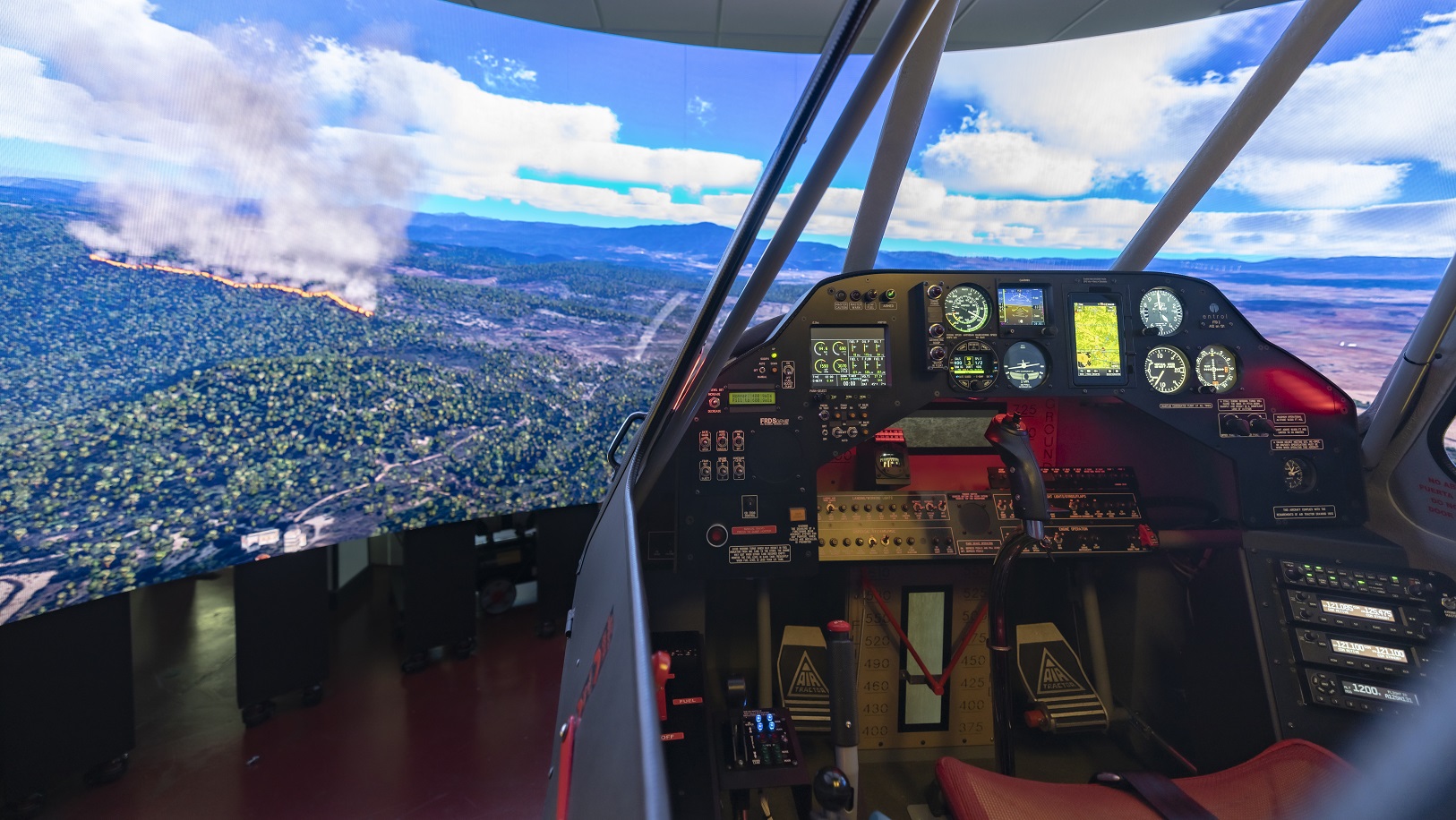
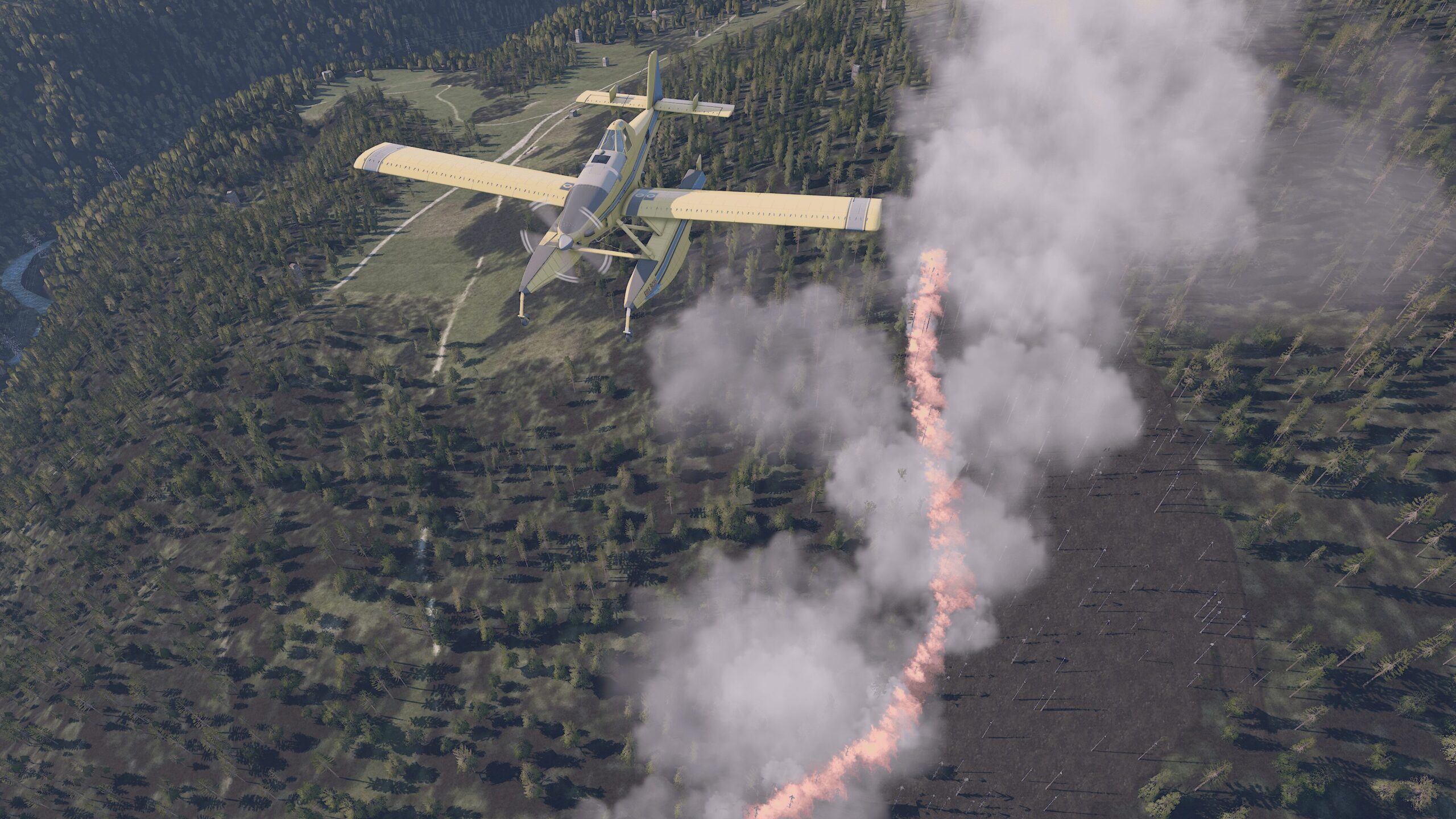
Alongside these multi-role platforms, specialized aircraft such as the Air Tractor AT-802, K-Max, or Skycrane play a key role in aerial firefighting missions requiring high capacity water drops, external load transport, or high-capacity operations in complex environments.
Flying close to terrain, smoke, and water sources
Firefighting crews frequently operate at low altitude and in environments with reduced visibility, smoke, changing winds, and mountainous or confined areas.
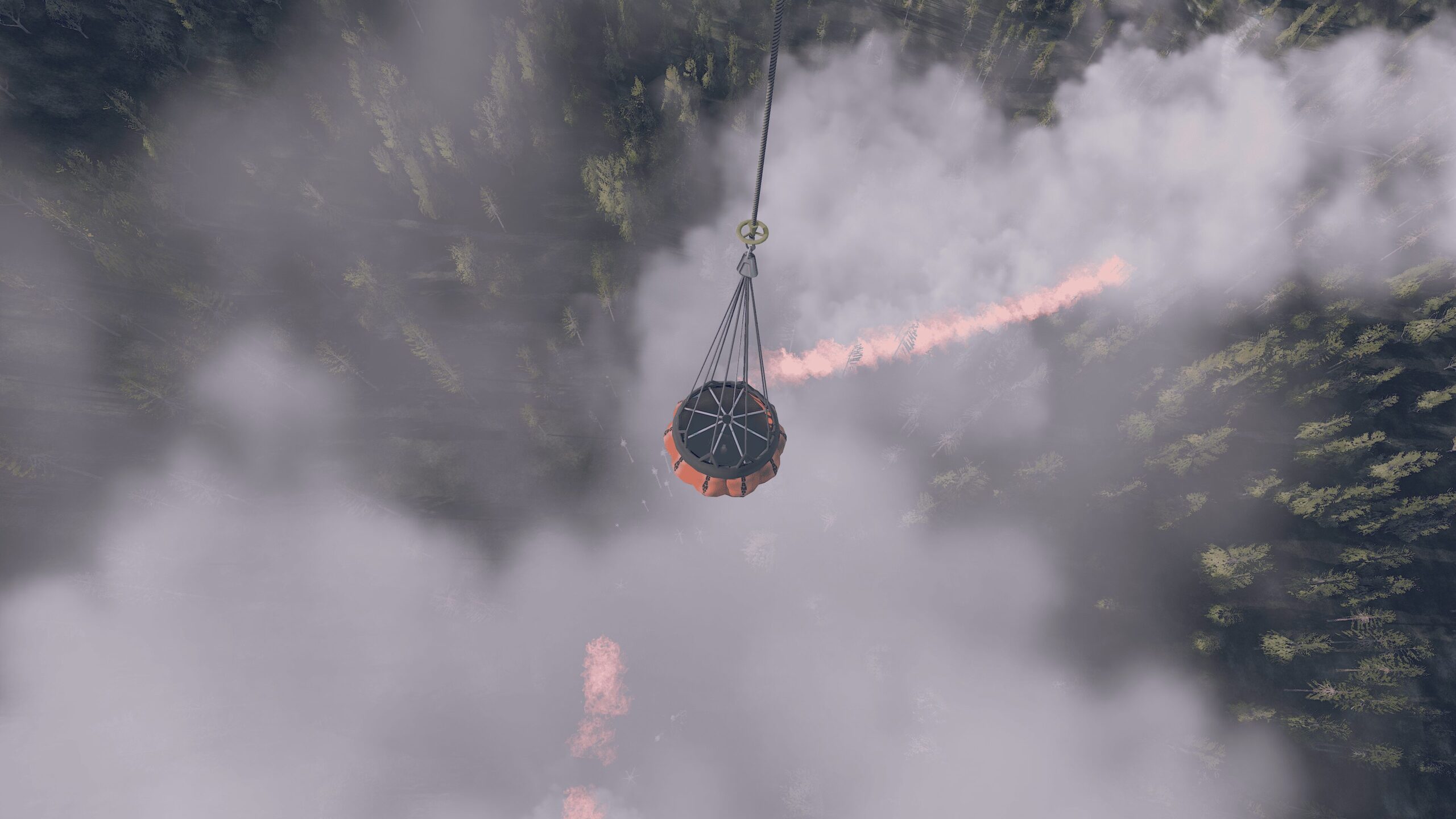
Many of these missions also require hover operations near lakes, reservoirs, or rivers during water pickup procedures using Bambi Bucket systems or other external loads. These maneuvers demand high levels of precision, coordination, and situational awareness throughout the operation.
The combination of complex terrain, proximity to obstacles, and operational pressure makes these missions some of the most demanding within helicopter aviation.
Why simulation is essential for mission preparation
Many of these operational scenarios are difficult, expensive, or unsafe to reproduce consistently during real flights. For this reason, simulation has become a fundamental tool for preparing crews before wildfire season begins.
Modern aerial firefighting simulator environments allow operators to recreate emergency procedures, external load operations, wildfire scenarios, and complex maneuvers within a safe and controlled environment. In addition, operators can train mission rehearsal, crew coordination, and decision-making under pressure before facing real operations.
Training aerial firefighting missions in simulation
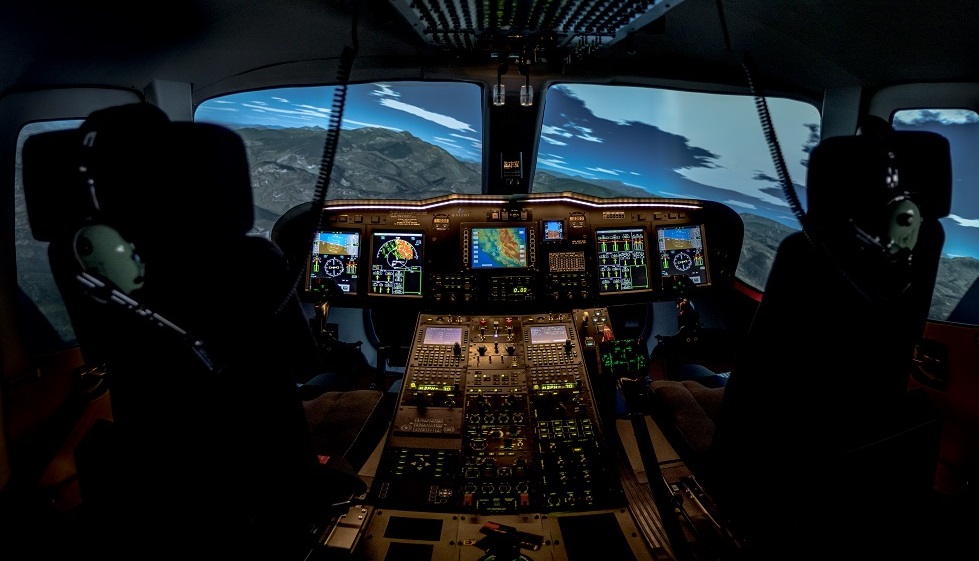
The evolution of simulation technologies now allows operators to recreate aerial firefighting training scenarios with an increasingly high level of realism. Thanks to advanced visual systems, immersive environments, and Mixed Reality technologies, operators can train complex scenarios adapted to their operational requirements.
enwall
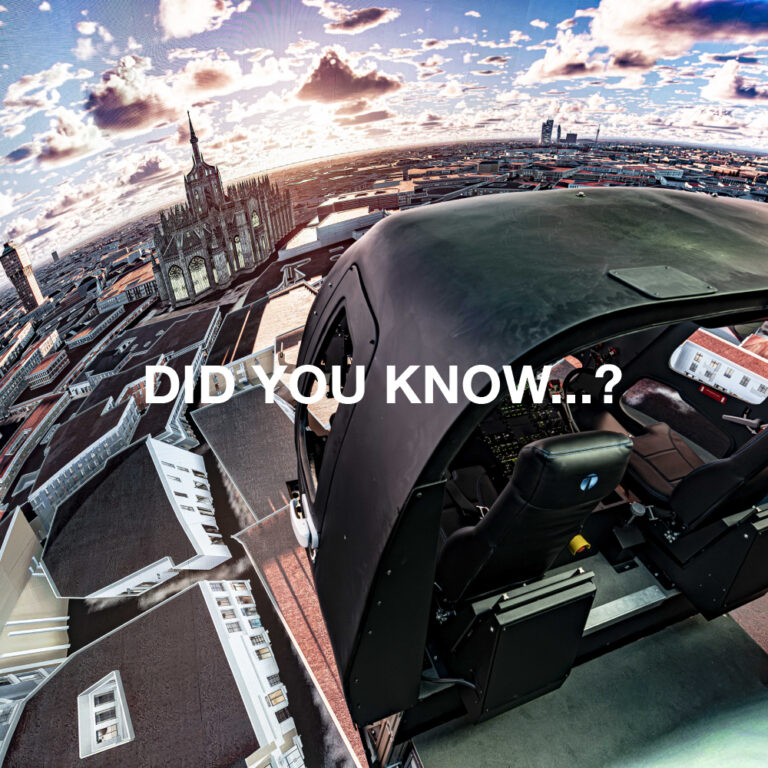
Advanced visual systems such as enwall LED Visual System allow operators to train mission operations with a wider field of view and improved vertical perception during VFR flights and low-altitude operations close to terrain.
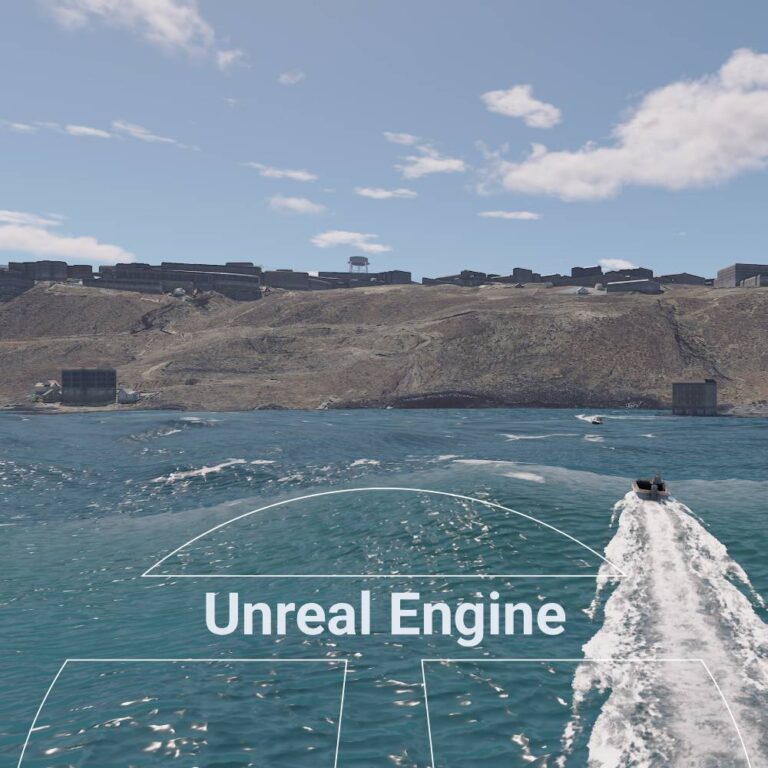
Combined with ENVISION, entrol’s Unreal Engine-based image generator, operators can recreate wildfire fronts, smoke, water sources, mountainous terrain, and mission-specific scenarios adapted to aerial firefighting operations.
These immersive environments help improve spatial awareness, hover precision, and coordination during complex mission operations.
Bambi bucket operations and water drop training
Simulation also allows helicopter crews to practice realistic Bambi Bucket operations, including water pickup procedures, hover maneuvers over water sources, and coordinated water drop procedures.
By recreating mission-specific scenarios, crews can train repetitive maneuvers, operational coordination, and emergency situations while improving precision before real wildfire response operations.
Mixed Reality for firefighting mission training
Mixed Reality technologies add an additional level of immersion during mission training by improving distance perception and terrain interaction during external load operations.
During Bambi Bucket or long-line missions, MR systems allow pilots to look below the aircraft and improve depth perception while operating close to terrain or water sources. This helps crews train complex mission scenarios with greater situational awareness and operational realism.
Preparing crews for increasingly demanding wildfire operations
As aerial firefighting operations continue to evolve, the industry is showing growing interest in increasingly immersive training environments focused on mission readiness for both helicopter and fixed-wing operations. At entrol, this evolution is also reflected in the company’s participation at international events specializing in aerial mission training, firefighting operations, and emergency services, where operational preparation and simulation technologies continue to play an increasingly important role across the industry.