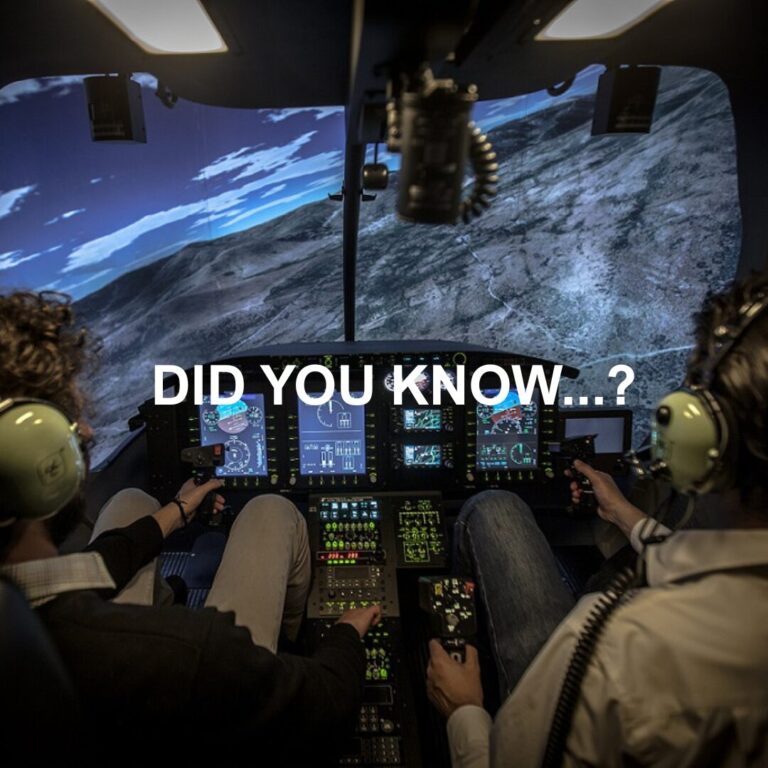
In the competitive landscape of aviation training, “realism” is often mistakenly measured solely by pixel count. While high-resolution databases and weather rendering are fundamental, helicopter simulation realism requires more than just convincing the eyes. It requires convincing the inner ear and the body.
For a helicopter pilot, the machine is an extension of the body. To fully master the aircraft, visual inputs are not enough. This is why at entrol, we consider tactile feedback—specifically our advanced vibration systems—not as an “add-on,” but as a critical channel of flight information.
The architecture of immersion: beyond the visuals
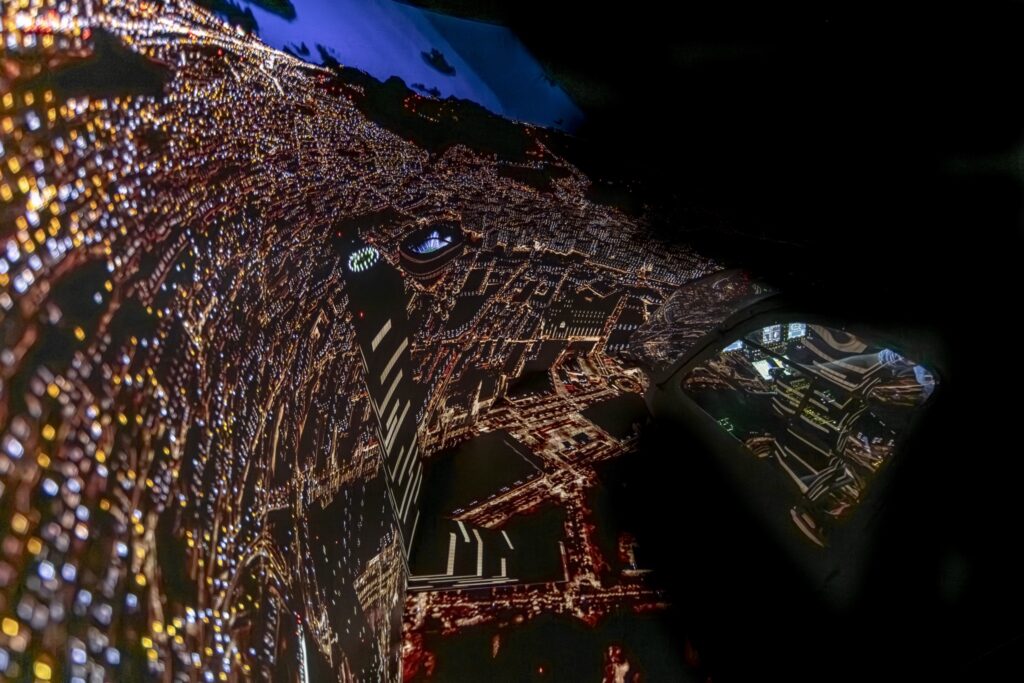
To understand the value of vibration, we must look at the complete ecosystem of a simulator. At entrol, we break down realism into four pillars that must work in perfect synchronization:
- Visuals: External cues, peripheral vision, and depth perception.
- Cockpit & Controls: The ergonomics and haptics of the avionics.
- Sound: The acoustic signature of the turbine and blade slap.
- Physical Sensations (CLS & Vibration): The bridge between the machine and the pilot’s senses.
While many certified simulators provide excellent training without vibration, adding this physical feedback elevates the immersion for specific mission profiles.
Rather than a requirement for certification, vibration acts as a complementary sensory input. While the Control Loading System (CLS) provides essential feedback through the hands, a vibration system allows the pilot to perceive the airframe’s behavior more intuitively. This additional layer is particularly beneficial in high-workload environments or specialized mission training, where every subtle cue helps the pilot stay “ahead of the aircraft.”
Decoding the shakes: vibration as operational data
Whether in a fixed-wing aircraft or a helicopter, flying is a multi-sensory experience. While instruments provide the data, physical cues often communicate the energy state of the aircraft more instinctively.
Our helicopter vibration system is engineered to replicate these subtle cues, transforming them into actionable data for tactical flight training:
1: Pre-Visual warnings
Dangerous aerodynamic states often manifest physically before they appear on the dashboard. Conditions like the onset of a Vortex Ring State, retreating blade stall, or effective translational lift (ETL) have distinct vibration signatures. By replicating these, entrol allows pilots to develop the instinctive reaction needed to recover before the situation becomes critical.
2: Ground contact and slope landings
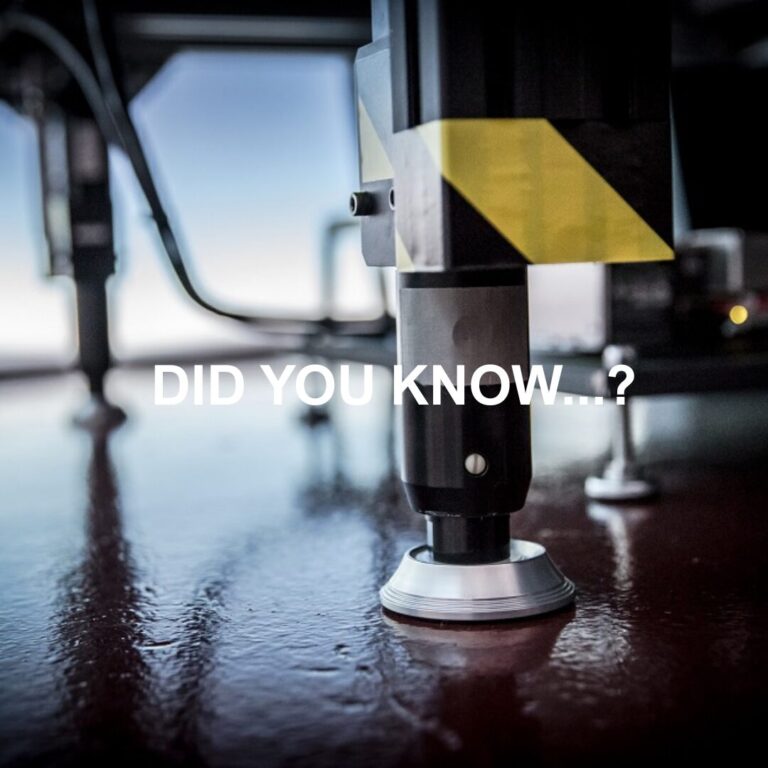
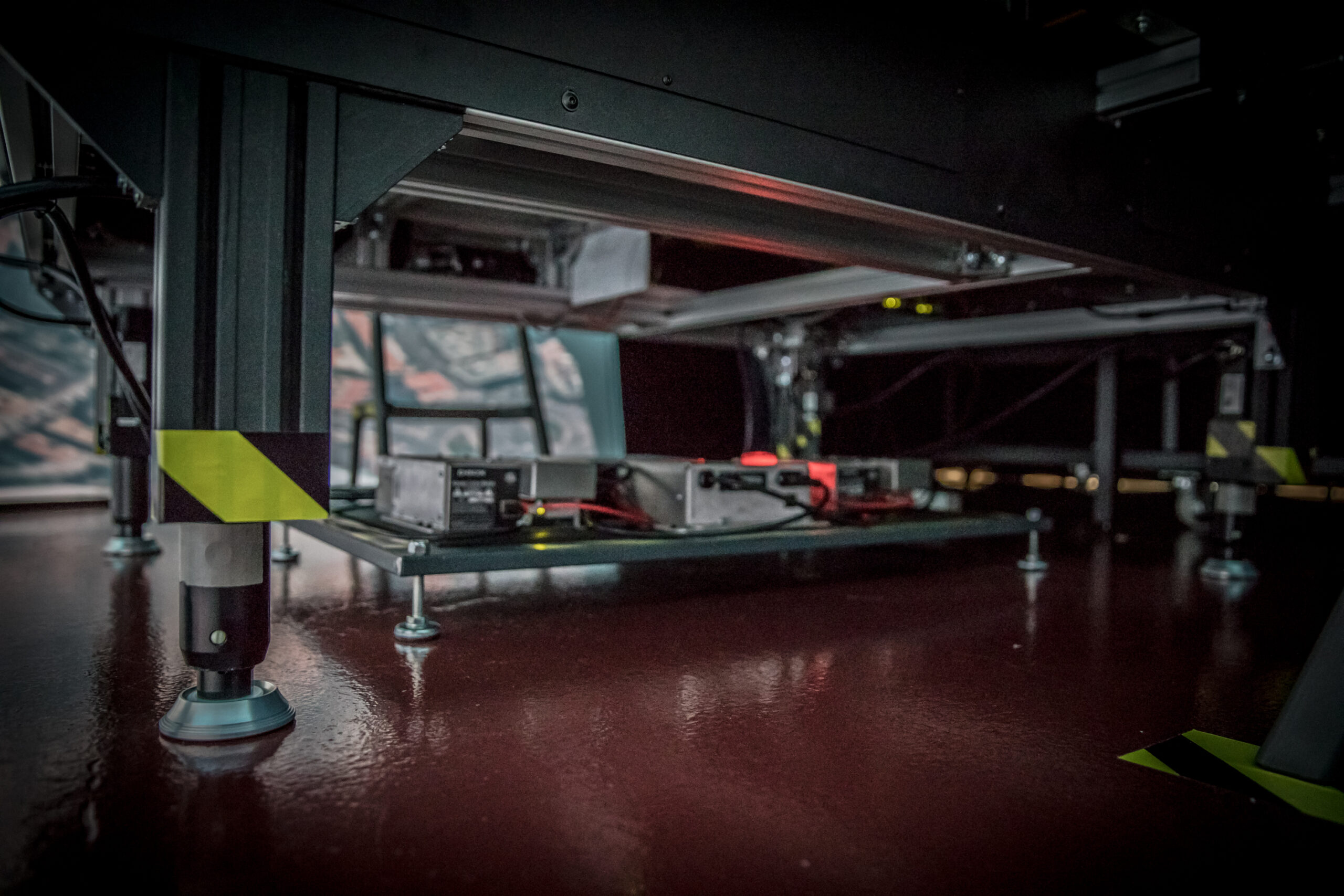
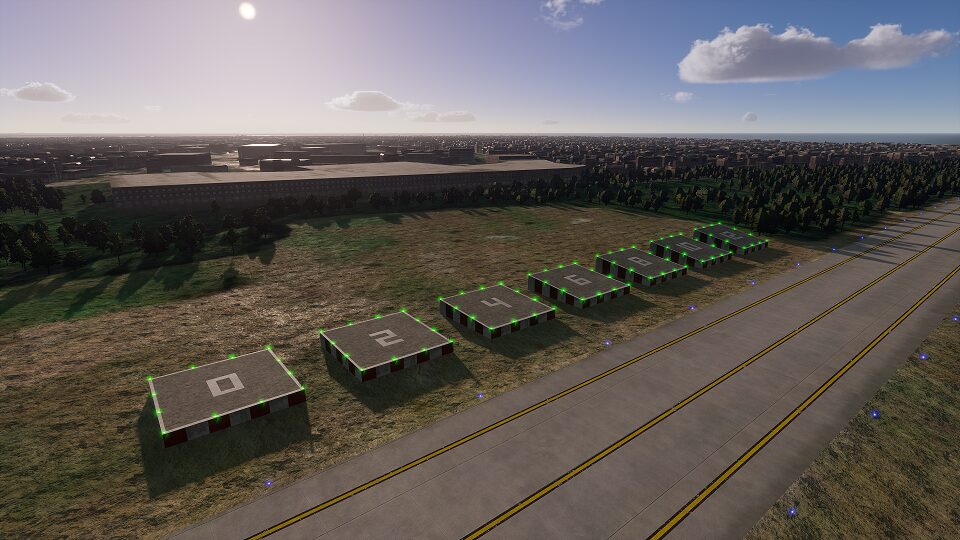
The transition from air to ground is one of the most challenging phases to simulate. Visuals alone can be deceptive during hover or brownout conditions. Our vibration floor technology provides the distinct “bump” of the skids making contact, allowing pilots to “feel” the landing and manage slope operations with confidence.
3: Environmental interaction
A helicopter fights the air. Our system translates external factors—wind gusts, turbulence, and rain impact—into physical feedback. This ensures the pilot is not just managing systems, but actively flying the aircraft against the elements.
The ROI of feeling: safety and adaptation
Why should operators invest in high-fidelity vibration systems? The answer lies in the efficiency of the training.
- Muscle memory & reaction time: by associating physical sensations with specific malfunctions or maneuvers, pilots build faster neural pathways. They learn to react to the feel of the aircraft, not just the alarms.
- Seamless transition: moving from a static simulator to a real helicopter can be a shock to the senses. An entrol simulator minimizes this gap, reducing the time of adaptation and increasing the pilot’s comfort level from day one.
- Enhanced safety: in complex mission rehearsals (HEMS, SAR), cognitive load is high. Vibration provides a passive information channel that doesn’t require visual attention, increasing overall situational awareness.
At entrol, we believe that if you can’t feel the flight, you aren’t truly flying. Our vibration technology ensures that our flight simulators deliver the most complete and realistic training environment available.